
Neigborhoods Alex Brant January 15, 2026
Carmel, Pebble Beach, and Big Sur
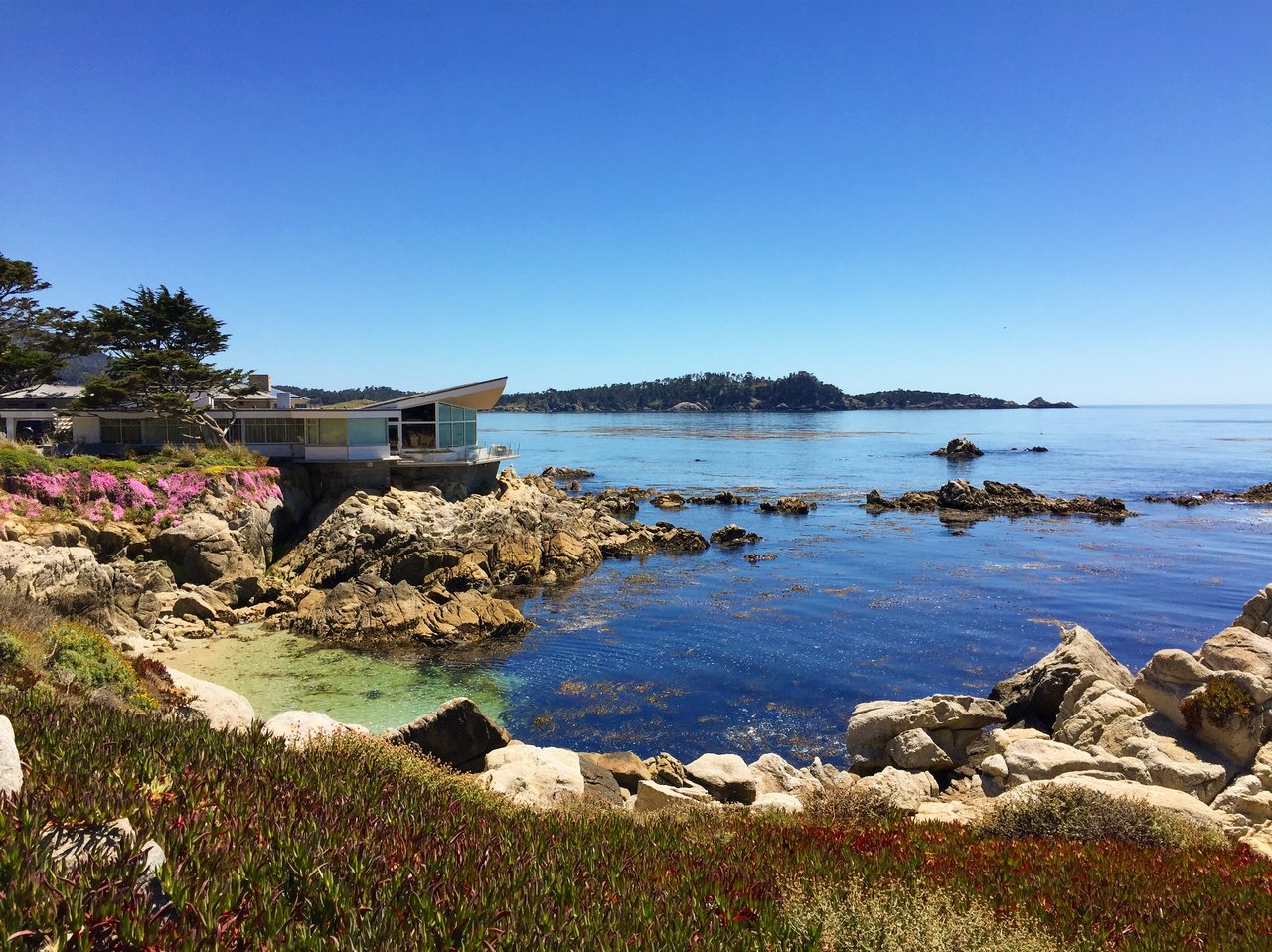
The Monterey Peninsula is home to one of the most important concentrations of residential architecture in California. From early Arts & Crafts cottages in Carmel to organic modernism embedded into the cliffs of Big Sur, these homes are defined not by size or spectacle, but by restraint—architecture shaped by land, light, fog, and coastal exposure.
Many of the West Coast’s most influential architects built here, often for themselves, leaving behind residences that prioritize site responsiveness, craftsmanship, and long-term livability. These are not houses designed to follow trends; they are homes designed to endure.
Below is a curated overview of architecturally significant homes and architects across Carmel, Pebble Beach, and Big Sur, with context on why authorship, period, and site-driven design matter—both architecturally and in the marketplace.
Bernard Maybeck
Era: Early 1900s
Style: Arts & Crafts, rustic romanticism
Location: Carmel-by-the-Sea
Bernard Maybeck shaped Carmel’s architectural DNA more than any other figure. His homes emphasized hand craftsmanship, asymmetry, natural materials, and a deep sensitivity to site. Many early Carmel cottages—low-slung, shingled, and storybook in scale—trace directly to his philosophy.
Why it matters: Carmel’s long-standing resistance to overdevelopment and its architectural controls stem directly from Maybeck’s influence.
Charles Greene
Henry Mather Greene
Era: Early 20th century
Style: Arts & Crafts
Location: Carmel Highlands, Pebble Beach
Best known for the Gamble House in Pasadena, the Greene brothers also left a lasting mark on the Monterey Peninsula. Their residences feature exposed joinery, deep eaves, rich wood detailing, and a seamless relationship between interior and exterior spaces.
Why it matters: These homes represent museum-level craftsmanship. They are extremely scarce and highly protected.
Frank Lloyd Wright
Era: Mid-20th century
Style: Organic modernism
Notable Work: Walker House
Location: Carmel-by-the-Sea
The Walker House (1951) is Frank Lloyd Wright’s only realized residence on the Monterey Peninsula. Built into a constrained coastal site, the home uses a circular floor plan to capture ocean views while shielding the structure from wind and exposure.
Why it matters: One of the most important single residences in Carmel and a rare West Coast Wright home.
William Wurster
Era: 1930s–1950s
Style: California Modern
Location: Carmel, Pebble Beach
William Wurster pioneered a form of modernism that was practical, understated, and deeply livable. His homes emphasized low profiles, broad rooflines, and casual indoor–outdoor living long before these ideas became mainstream.
Why it matters: Wurster set the template for modern West Coast residential architecture.
Charles Moore
Era: 1960s–1980s
Style: Postmodern
Location: Monterey, Carmel
Charles Moore’s work blends playfulness, historical reference, and strong human scale. While best known for public architecture, his residential work on the Peninsula influenced a generation of architects focused on contextual design.
Why it matters: Moore bridged modernism and regionalism at a moment when architecture risked becoming impersonal.
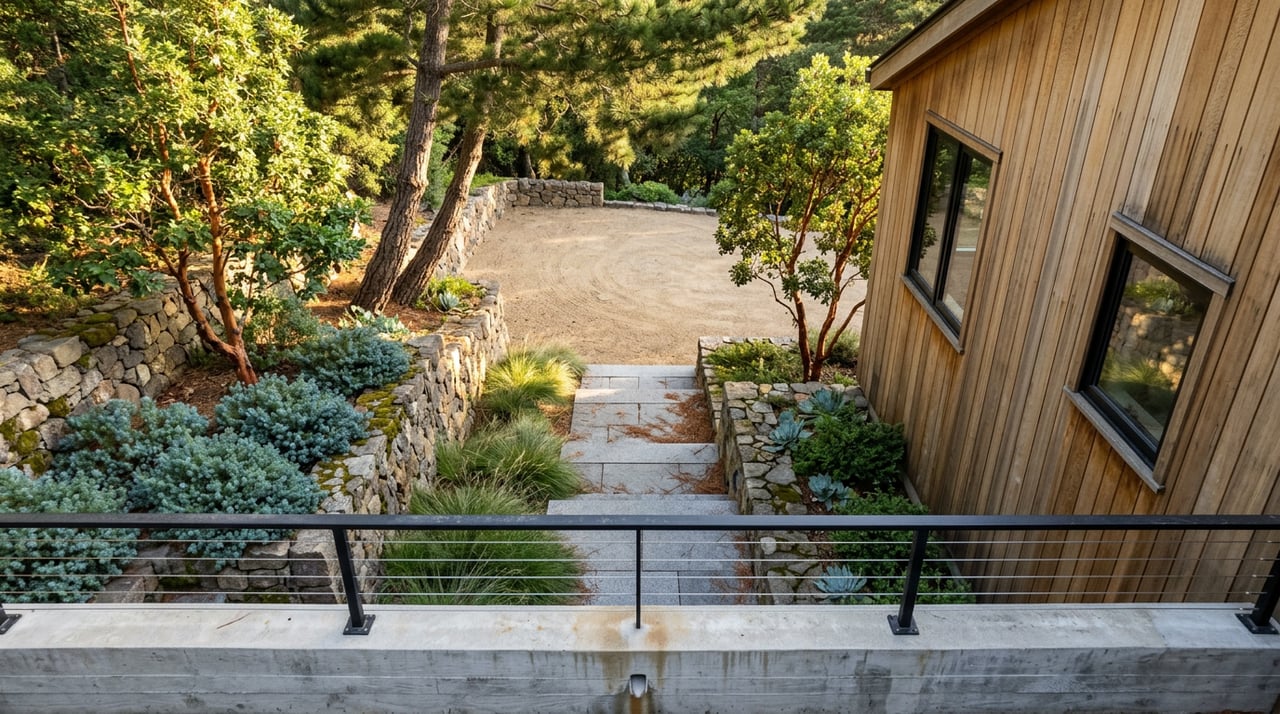
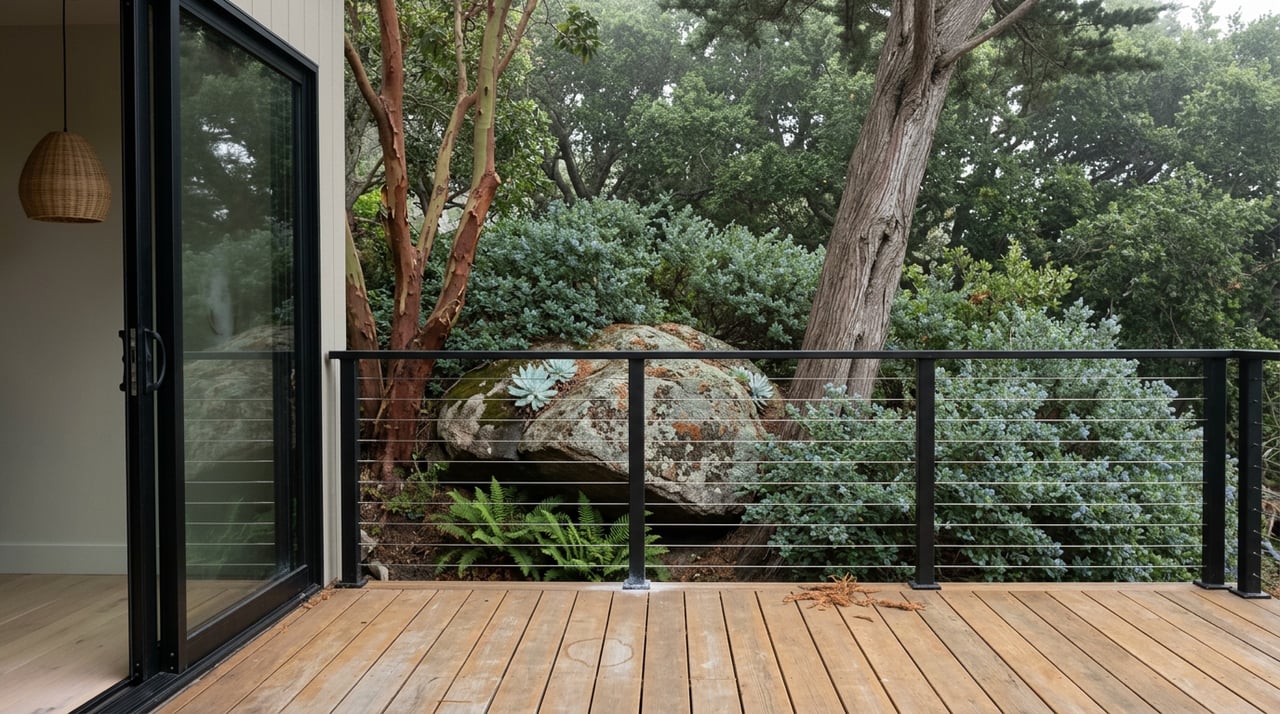
Big Sur is where architecture becomes almost invisible.
Notable architects with important Big Sur residences include:
Mickey Muennig — organic, hand-built modernism using stone, glass, and timber
Joseph Esherick — refined modernism with environmental sensitivity
These homes are defined by:
Minimal grading
Extensive use of glass
Natural materials sourced on or near the site
Structures designed around wind, sun, and seismic realities
Why it matters: Big Sur represents the purest expression of California organic architecture. Many of these homes would be impossible to permit today.
Mark Mills
A former Taliesin Fellow, Mark Mills worked under Frank Lloyd Wright before establishing his own practice. On the Monterey Peninsula—particularly in Carmel, Carmel Highlands, and Big Sur—his residential work reflects a disciplined application of Wright’s organic principles to steep, environmentally sensitive coastal terrain.
Mills’ homes are typically characterized by non-orthogonal planning (often hexagonal or modular), low-profile forms, restrained material palettes, and interior sequences that move from compression to openness. His work prioritizes shelter, orientation, and long-term compatibility with the land rather than visual dominance.
Within the Peninsula’s architectural history, Mills occupies an important position between early Arts & Crafts influences and later California modernism. His homes appeal to architecturally informed buyers who value authorship, integrity, and site-driven design.
Robert Swartz — modern coastal estates with restraint
Jon Otter — environmentally responsive custom homes
These architects continue the Peninsula tradition: architecture that defers to land, not ego.
Architect-designed homes trade differently than conventional properties. Value is driven by authorship, integrity, site execution, and preservation, not just square footage or finishes. Proper valuation and marketing require an understanding of both architecture and the specialized buyer pool these homes attract.
I work with buyers and sellers of architecturally significant homes across Carmel, Pebble Beach, and Big Sur, helping owners position their properties accurately and connect with buyers who recognize architectural value.
Architecturally significant homes on the Monterey Peninsula:
Trade in thin, specialized markets
Require nuanced valuation and buyer targeting
Often involve historic sensitivity and permitting considerations
Attract buyers who care about architecture, not just square footage
Handled generically, these homes are discounted.
Handled correctly, they become legacy properties.
If you are considering buying or selling an architecturally significant home—or want an informed perspective on how architectural authorship affects value—I’m happy to be a resource - Alex Brant --> 831-264-3870 or [email protected]
Stay up to date on the latest real estate trends.

Neigborhoods
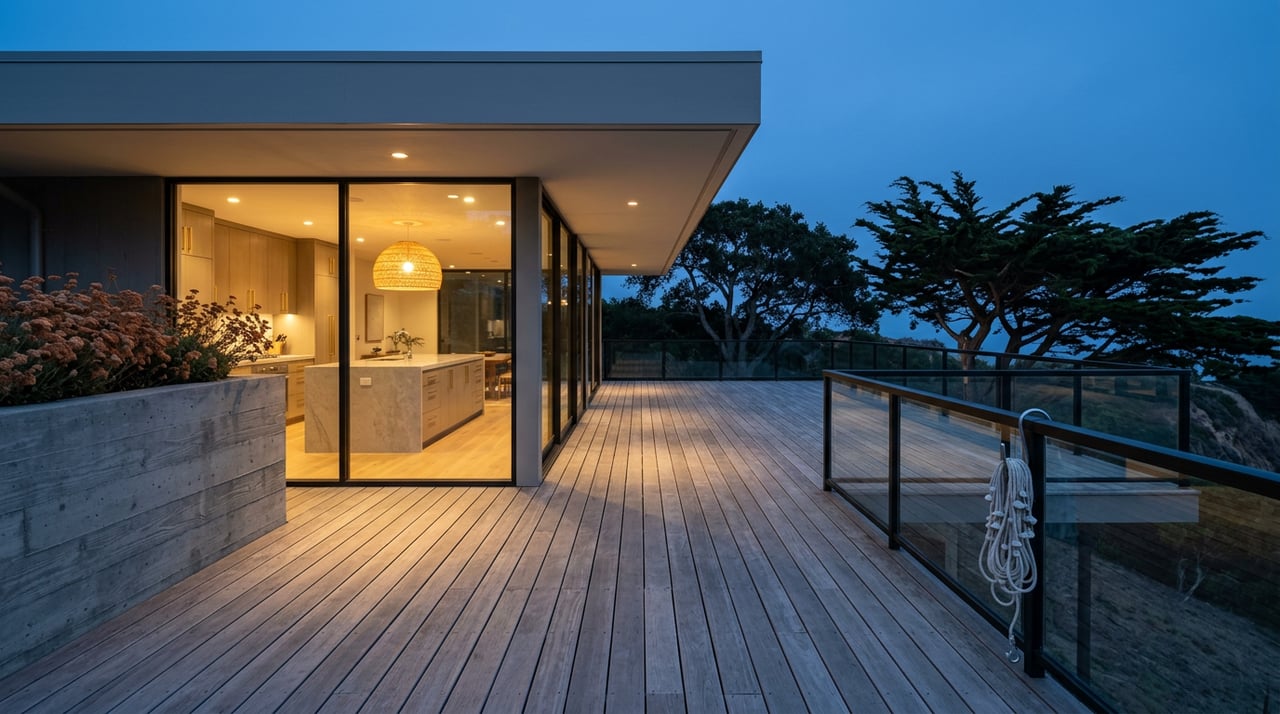
Where to Stay, What to See, Where to Eat & What’s New in Big Sur


Relocation Guide
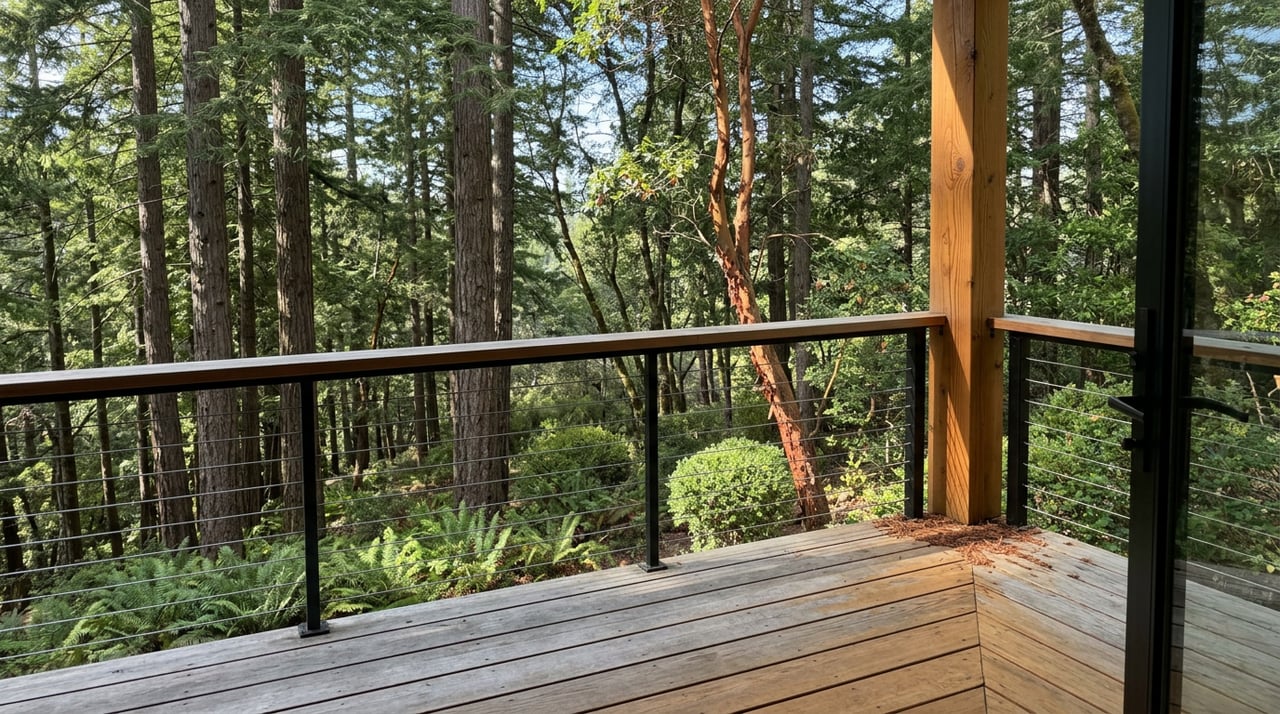
What Bay Area buyers should know before moving to Carmel, Carmel Valley, Pebble Beach or Carmel Highlands.

Lifestyle & Recreation
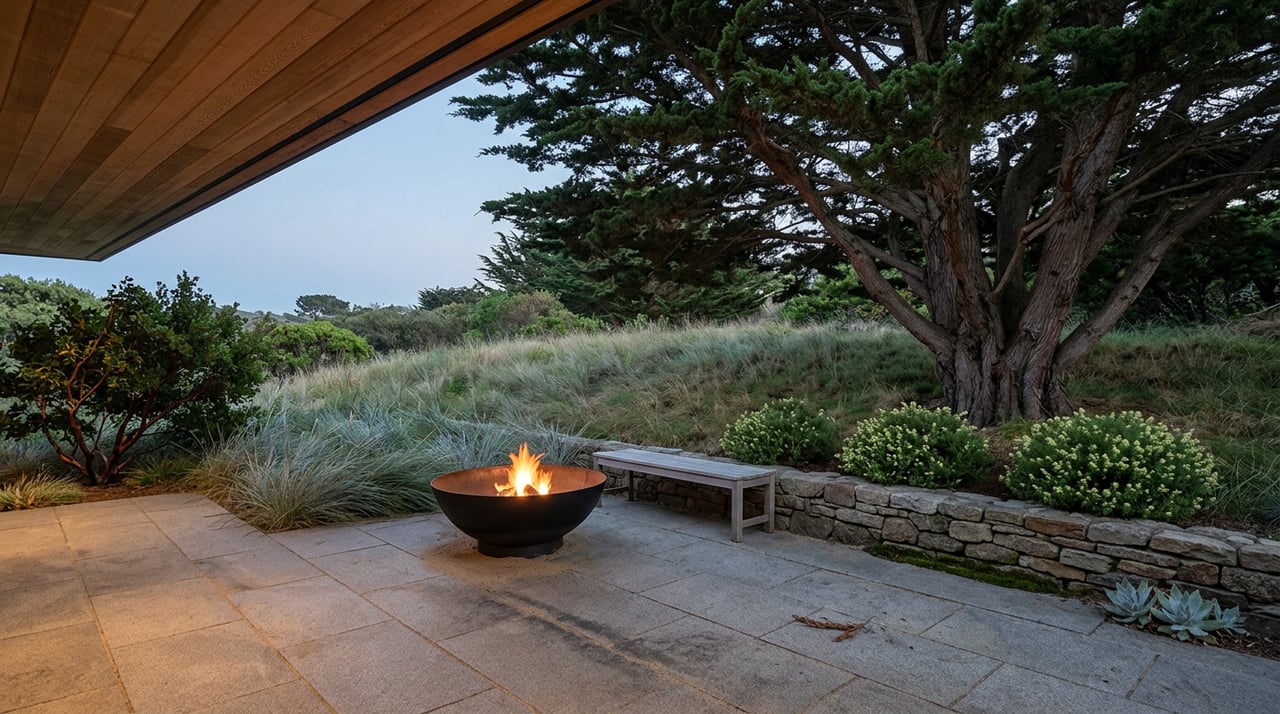
A local’s guide to the best restaurants in Carmel, Monterey and Carmel Valley, from longtime favorites and new openings to Michelin-starred dining.
Get assistance in determining current property value, crafting a competitive offer, writing and negotiating a contract, and much more. Contact Alex today to discuss all your real estate needs!