
March 5, 2026
A one square mile village can feel like four different towns depending on your block. In Carmel-by-the-Sea, a five to ten minute walk can change your sun exposure, views, parking, and weekend foot traffic. If you are trying to match a lifestyle to the right street, small details matter. In this guide, you will learn how the main micro-areas differ, who they fit best, and what to check before you write an offer. Let’s dive in.
Carmel-by-the-Sea is a compact, walkable village of about 1.06 square miles with roughly 3,200 residents. The city has long regulated home size and design in its R-1 districts to preserve a cottage-scaled, pedestrian environment. Many legal building sites in the core measure about 2,500 to 4,000 square feet, which helps explain why so many homes are cottage-sized. You can review the city’s floor-area standards and design rules in the municipal code’s R-1 section and Table 17.10-D for lot-by-lot allowances.
For market context, national reporting highlighted high price-per-square-foot values, including a figure of about 2,015 dollars per square foot cited in February 2025. A January 2026 snapshot placed the citywide median sale price near 2.095 million dollars. Always check current MLS comps for the exact streets and blocks you are considering.
Quick map note: Southwest village core bounded roughly by Ocean Avenue to the north, Scenic Road to the west, Santa Lucia to the east, and San Carlos to the south.
Price and tradeoffs: Among the highest price-per-square-foot pockets due to walkability and beach proximity. Expect smaller lots and homes, limited parking, and a lock-and-leave lifestyle.
Buyer fit: You value peak walkability and beach access and accept compact indoor and outdoor space.
Expansion and permits: Many lots are around 4,000 square feet. The R-1 tables govern base and bonus floor area and allocate part of it to required parking. Review Table 17.10-D in the municipal code before assuming add-on potential.
Quick map note: The one-way Scenic Road runs along the bluff above Carmel Beach with a public walkway and the town’s most immediate ocean outlooks.
Price and tradeoffs: Best-in-class ocean setting with premiums for view corridors and frontage. Balance the view premium against coastal exposure, potential insurance complexity, and long-term shoreline planning.
Buyer fit: You prioritize ocean access and views over lot depth and are comfortable with coastal regulations.
Expansion and permits: Expect tighter constraints near the bluff. Confirm R-1 floor-area limits in the municipal code and review coastal hazard resources through the City’s Forest & Beach program for sea-level and shoreline context: Forest & Beach.
Quick map note: Inland and upslope from the core, near the Mission Trail Nature Preserve and adjacent residential streets.
Price and tradeoffs: You trade immediate beach proximity for privacy, larger usable yards, and more straightforward parking. Values vary by lot size and street position.
Buyer fit: You want space, sunlight, and a quieter residential setting within a short drive or moderate walk to Ocean Avenue.
Expansion and permits: Larger parcels can offer more flexible remodeling paths, but R-1 rules, tree protections, and design review still apply. Verify allowances and parking requirements in the municipal code.
Quick map note: Inside city limits but a block or two beyond the busiest stretches of Ocean Avenue, including quieter interior streets north of Ocean and to the northeast/southeast.
Price and tradeoffs: Often a value play on a per-square-foot basis compared to the most coveted blocks, with more privacy and daily convenience. You give up the immediate beach-and-boutique buzz of the Golden Rectangle.
Buyer fit: You want the village lifestyle with fewer crowds and a bit more yard or garage capacity.
Expansion and permits: Many lots still follow the small-lot pattern, so check Table 17.10-D and required parking in the municipal code to confirm what you can add.
Use this list to protect your time and budget as you evaluate a specific property:
Carmel is small, and one notable sale can shift block-level averages. Before you act, pull recent MLS comps for the exact streets you are targeting and confirm parcel-specific constraints with City Planning and the municipal code. For broader city resources, start at ci.carmel.ca.us. National coverage has noted high per-square-foot values in recent years, including a February 2025 feature in The Wall Street Journal, but your decision should rely on today’s local comps and your property’s unique block position.
If you want a clear, step-by-step plan to find the right pocket or to prep your Carmel home for market with premium marketing, Compass Concierge, or a Private Exclusive preview, reach out to Alex Brant. You will get local-first guidance with national reach.
Stay up to date on the latest real estate trends.

Monthly Report
October housing trends, home prices, and inventory—and what they mean for Monterey County buyers and sellers.
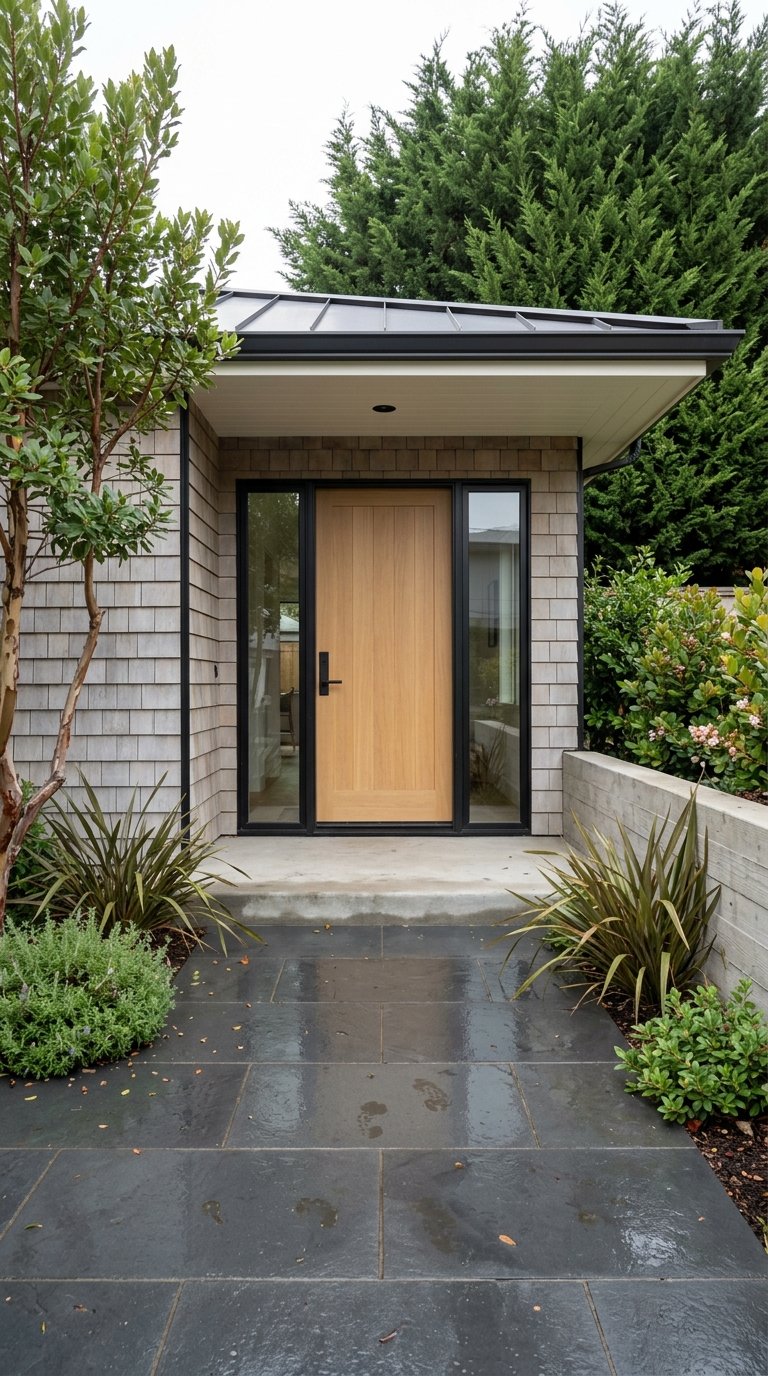
Discover the charm of Carmel-by-the-Sea homes: Oceanfront vs Village Living. Explore carmel homes for sale and learn the benefits of each unique lifestyle.
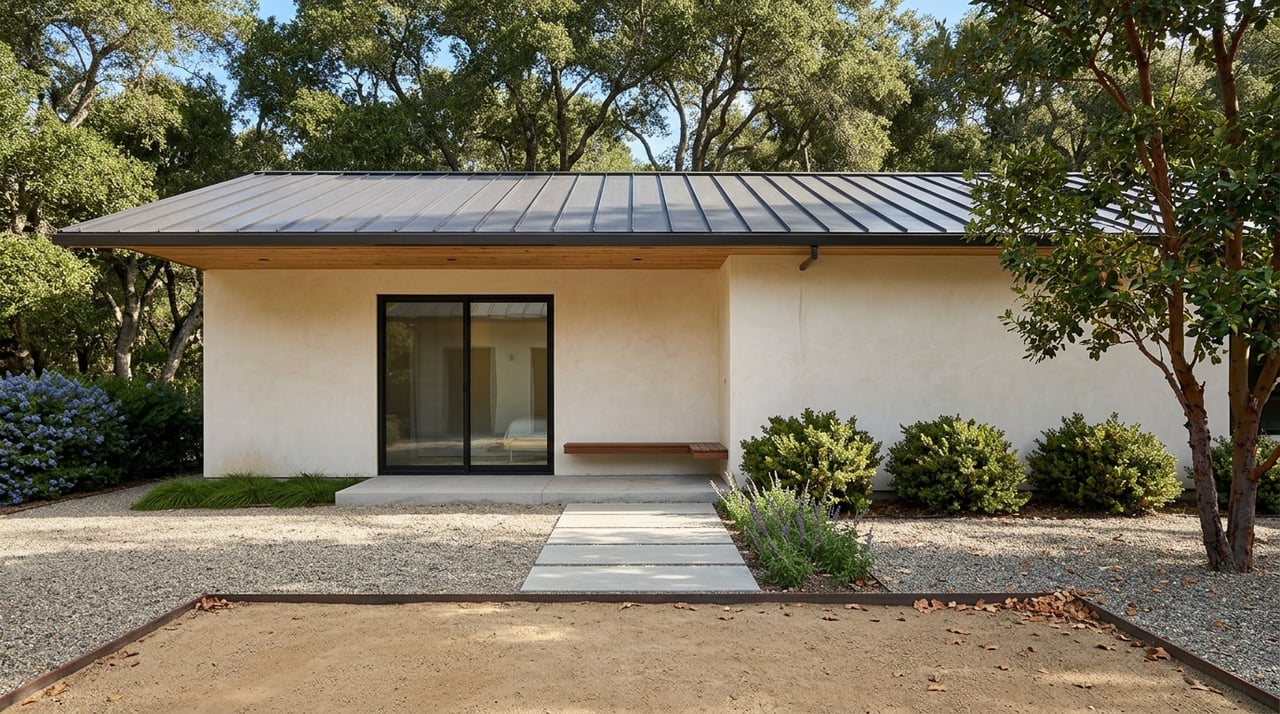
Prepare your Carmel Valley ranch or estate for sale with targeted updates focusing on exterior appeal, strategic staging, and strong visual marketing. Achieve better b… Read more

Neigborhoods
Explore the best Carmel-by-the-Sea neighborhoods for buyers with Alex Brant. Discover unique micro-areas, real estate insights, and buying tips to find your ideal Carm… Read more

Neigborhoods
Where to Stay, What to See, Where to Eat & What’s New in Big Sur
Get assistance in determining current property value, crafting a competitive offer, writing and negotiating a contract, and much more. Contact Alex today to discuss all your real estate needs!