
May 14, 2026
If you are selling a Carmel cottage, your photos may matter even more than your square footage. Many buyers now compare homes online before they ever book a showing, and in a place as distinctive as Carmel-by-the-Sea, they are not just looking for rooms. They are looking for charm, light, and a sense of place. The good news is that the right staging can help your cottage feel larger, more inviting, and more memorable without stripping away what makes it special. Let’s dive in.
Carmel-by-the-Sea has a very specific architectural story. The city’s historic context notes that homes were shaped by small lot sizes, careful siting, and a tradition of keeping buildings subordinate to nature rather than overpowering it.
That matters when you stage for market photos. Instead of trying to make a cottage look like a generic modern home, your goal is to highlight its natural textures, original details, and connection to the garden, porch, or courtyard. In Carmel, buyers often respond best when a home feels airy, storybook, and authentic.
Many Carmel cottages include details like porches, bay windows, wood-clad materials, Dutch doors, and cozy one-story layouts. These are not flaws to hide. They are often part of the home’s appeal and should be visible in your photos.
That means staging should stay light and intentional. Bulky furniture, oversized decor, and crowded tabletops can make a compact cottage feel smaller and distract from the architecture.
When preparing rooms for photos, keep the focus on the features buyers cannot find everywhere else. Original wood tones, window placement, built-ins, and the way a room opens toward a garden can all help the home stand out online.
A simple layout often works best. A few well-scaled pieces can define the room while still leaving breathing room around windows, doorways, and transitions.
Small rooms and narrower hallways are common in older Carmel homes. The city’s historic context suggests a practical staging takeaway here: keep scale light and circulation open.
For photos, that means you want buyers to clearly understand how they move through the house. If furniture blocks sightlines or pinches walkways, the home can feel tighter on screen than it does in person.
Not every room needs the same level of staging. According to the National Association of Realtors’ 2025 Profile of Home Staging, the living room ranks first in importance, followed by the primary bedroom and then the kitchen.
For a Carmel cottage, that priority order makes sense. Buyers need to quickly understand where they will gather, rest, and spend everyday time, especially when the home has a compact footprint.
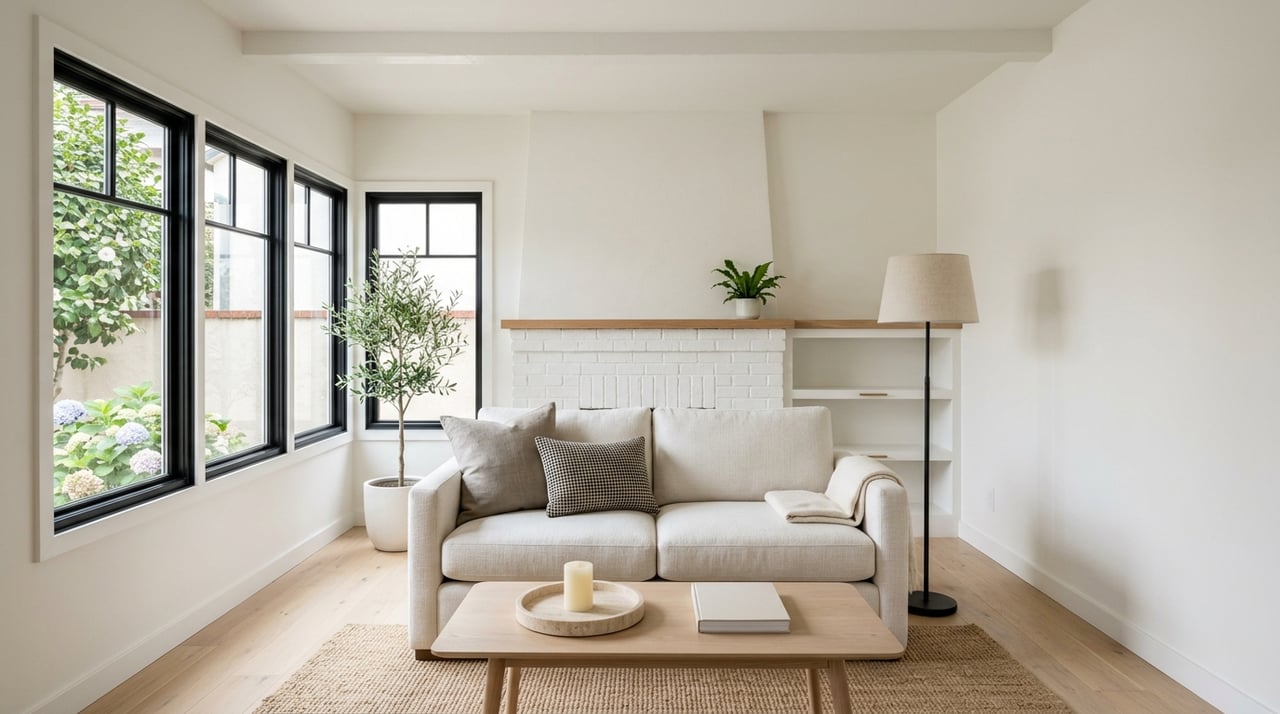
The living room often carries the emotional weight of a cottage listing. It is where buyers can best picture the home’s character, whether that comes through a fireplace, a window seat, open beams, or a connection to the outdoors.
Use furniture that fits the room rather than filling it. A scaled sofa, one or two chairs, and a simple rug may be enough to create warmth without making the room feel crowded.
A primary bedroom should read as restful and easy to use. Crisp bedding, clear nightstands, and minimal accessories help the room feel serene in photos.
If the bedroom is small, avoid heavy benches, extra dressers, or oversized lamps. Clean sightlines and soft natural light usually do more for the image than extra styling ever could.
In cottage kitchens, visual clutter shows up quickly in photos. Clear the counters, keep styling minimal, and let cabinetry, windows, and natural light do most of the work.
A small plant, a cutting board, or a simple bowl can be enough. Too many decorative items can make a kitchen feel busy and reduce the sense of usable workspace.
If you have the budget to stage beyond the top three rooms, outdoor space deserves attention. In Carmel, porches, courtyards, entries, and gardens can make a smaller home feel more complete and connected to its setting.
Even a modest outdoor seating moment can help buyers understand the lifestyle the property offers. That is especially helpful in photos, where exterior context can support the home’s overall story.
The goal is not to fake size. The goal is to help buyers see proportion, flow, and livability.
That starts with editing. Remove extra furniture, clear crowded corners, and keep decor restrained so each room reads clearly on camera.
One of the fastest ways to shrink a room in photos is to over-furnish it. If a piece feels large in person, it will often feel even larger in a photo frame.
Choose furniture that leaves visible floor area and allows the eye to travel. That visible space helps a room feel more open.
Window placement can add a lot of value to a cottage photo set. It helps buyers understand both the interior light and the home’s connection to the outdoors.
Keep window treatments simple and open when appropriate. If a bay window, garden-facing window, or Dutch door is part of the charm, make sure it is not visually blocked.
Carmel’s historic character is closely tied to homes sitting naturally within their surroundings. That means your photos should not stop at the walls.
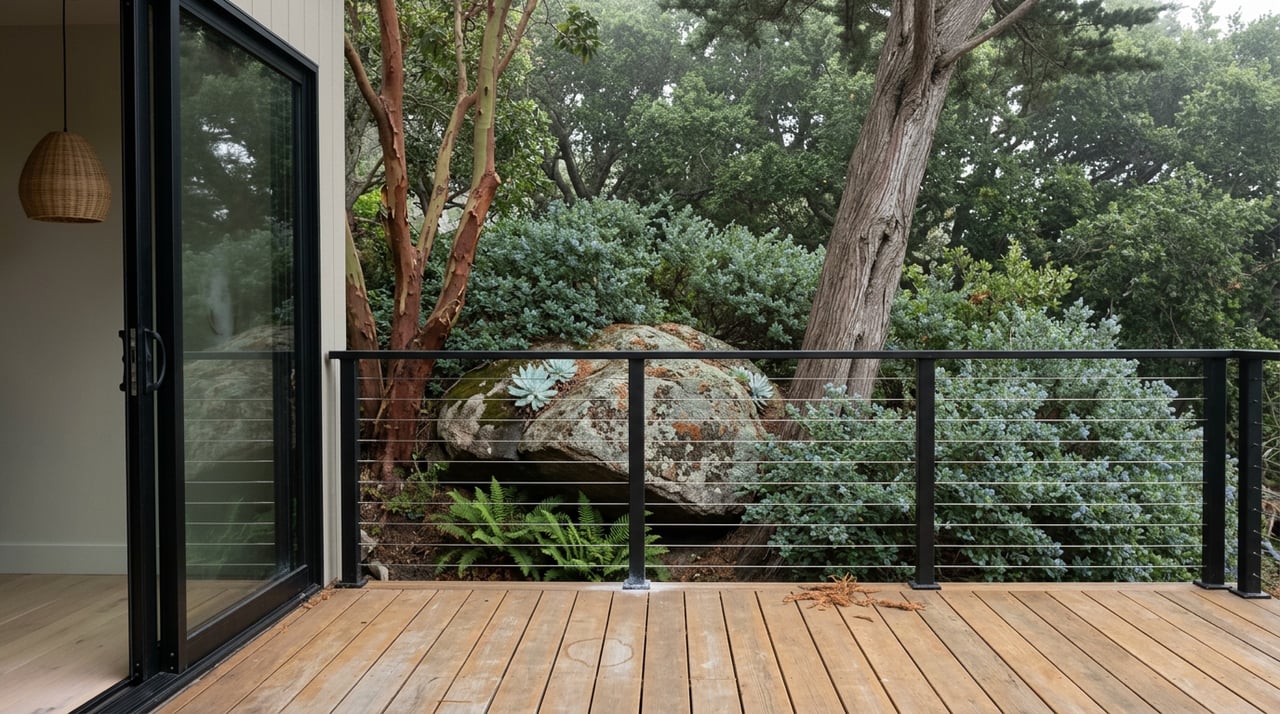
Whenever possible, show how an interior room connects to a porch, courtyard, patio, or garden edge. That visual connection can make the home feel larger and more inviting.
Before listing, many sellers wonder whether they should renovate. In Carmel, the better answer is often to start with cosmetic prep rather than exterior changes.
City guidance says most exterior alterations and site coverage changes require design review approval, and most construction-related work needs permits. Properties over 50 years old may also need a historic evaluation before exterior alterations.
For most cottage sellers, the safest first steps are:
These improvements support better photos and showings without creating avoidable delays.
If you are thinking about changing windows, the roofline, exterior materials, or other visible elements, check city requirements first. Carmel’s planning guidance notes that window changes require approval, and the city identifies unclad wood windows with external divided lights as the local standard while vinyl windows are not considered appropriate.
In other words, cosmetic preparation is usually the smart default. Major visible changes can affect timing, cost, and compliance.
Great staging still needs great light. Along the Monterey Bay coast, marine fog is a real factor, and the U.S. Geological Survey notes that the marine cloud layer regularly moves into coastal communities.
For your listing media, that means you should not assume every morning will be bright and photo-ready. Flexible scheduling and backup timing can make a big difference.
The best cottage photos usually happen when natural light feels soft and balanced instead of dim or harsh. You want interiors to look bright enough to feel welcoming, but not blown out.
That is especially important in smaller homes, where shadows can make rooms look tighter. A well-timed shoot helps preserve both warmth and clarity.
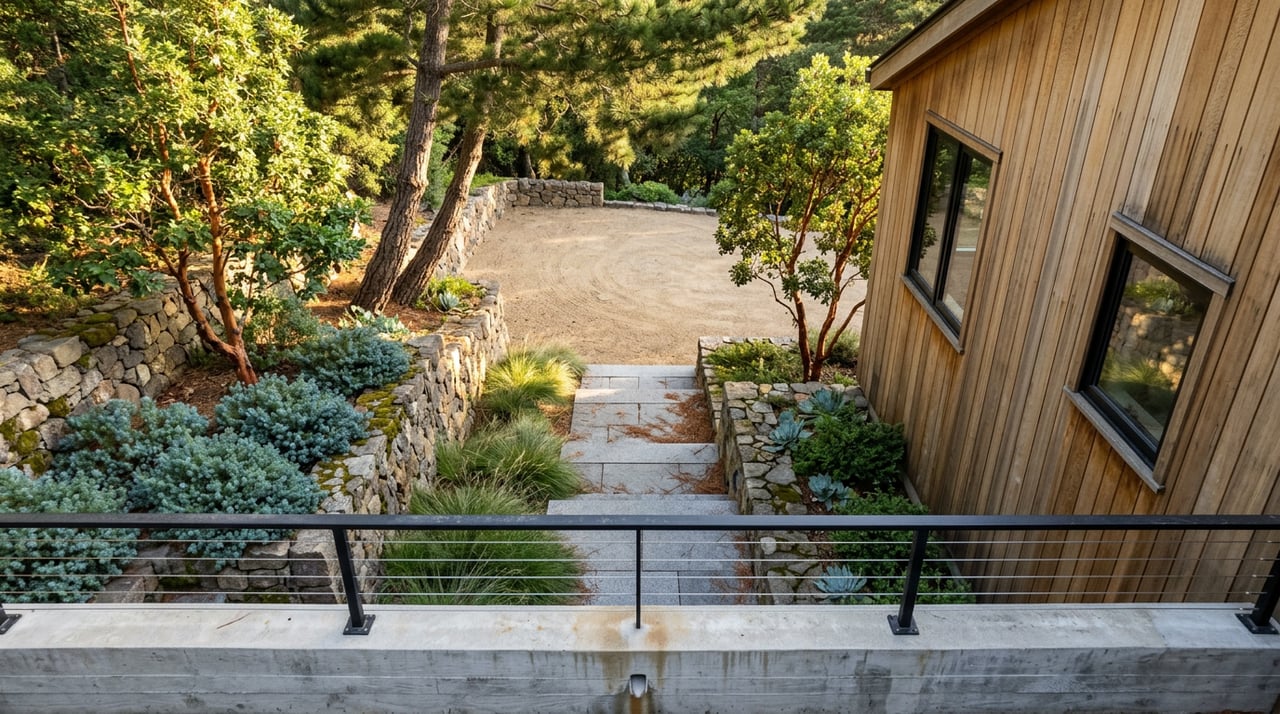
Exterior photos should do more than show the front wall of the house. In Carmel, the entry path, garden, porch, and courtyard often tell buyers just as much as the square footage does.
These images help complete the story. They show how the home sits in its environment and why it feels special.
Photos create the first impression, but a 3D or virtual tour can answer the next question: how does the home actually live? That matters because buyers are increasingly evaluating homes virtually before choosing which ones to visit in person.
In a compact cottage, a strong 3D tour helps buyers understand circulation, ceiling height, window placement, and how rooms connect. It can turn a charming but potentially confusing floor plan into something clear and approachable.
A 3D tour should help buyers see how one room leads to the next. In Carmel cottages, that can be especially useful where spaces are cozy, layered, or arranged in less conventional ways.
This is where premium visual marketing can do real work. When photos and 3D media are planned together, they can make a small home feel intuitive instead of cramped.
If you are trying to decide where to spend money before listing, think in phases. Start with the changes that preserve character, improve photos, and help buyers understand the home online.
For some sellers, Compass Concierge may be a useful option. Compass describes Concierge as a way to front the cost of services such as staging, flooring, painting, deep-cleaning, decluttering, cosmetic renovations, landscaping, moving, storage, and related repairs, with payment due at closing. Program terms can vary by market and state, and fees, interest, credit approval, and underwriting may apply.
A strong cottage prep plan often looks like this:
This kind of sequence supports what buyers respond to most while respecting Carmel’s design traditions.
The best market photos for a Carmel cottage do not try to turn it into something it is not. They help buyers see the home clearly, feel its charm, and imagine living there.
When staging preserves character, opens up circulation, and supports strong photography, your listing has a better chance of earning attention online and motivating in-person showings. In a market where first impressions happen on a screen, that is a meaningful advantage.
If you are preparing a Carmel-by-the-Sea cottage for sale and want thoughtful guidance on staging, photography, 3D tours, or Compass Concierge options, connect with Alex Brant.
Stay up to date on the latest real estate trends.

Neigborhoods
Explore the best Carmel-by-the-Sea neighborhoods for buyers with Alex Brant. Discover unique micro-areas, real estate insights, and buying tips to find your ideal Carm… Read more

Neigborhoods
Where to Stay, What to See, Where to Eat & What’s New in Big Sur


Relocation Guide
What Bay Area buyers should know before moving to Carmel, Carmel Valley, Pebble Beach or Carmel Highlands.
Get assistance in determining current property value, crafting a competitive offer, writing and negotiating a contract, and much more. Contact Alex today to discuss all your real estate needs!