
October 28, 2026
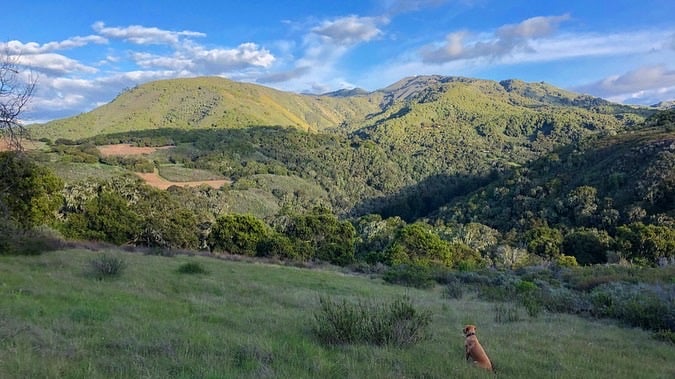
When people say vineyards in Carmel, they usually mean Carmel Valley. The village itself is not a vineyard town — it is a tasting-room town. The vines are inland, where the sun, the valley floor, and the Santa Lucia Highlands appellation do the work.
Carmel Valley's tasting rooms cluster in the village, within a walkable half-mile, and they are the easiest introduction to the region. From there, the story widens: the Santa Lucia Highlands, just east and north, is known for pinot noir and chardonnay grown in a cool, wind-influenced climate, and many of its wines are poured in Carmel Valley rooms. That is why a Carmel wine day can feel both village-scale and serious — you are tasting a larger region from a small, walkable base.
For buyers, vineyards matter in a second way. A vineyard or ranch property is not just a house with vines in the yard. It is a working agricultural parcel, with water rights and well capacity, zoning, and any event or commercial use to verify before you plan around it. Some properties support a small vineyard or olive orchard beautifully. Others are better as a home with a view of vines, not a vineyard business. That distinction should be checked with county planning and a local advisor, parcel by parcel, before an offer.
If you are visiting, start in the village, taste widely, and notice which rooms you would actually return to — the ones with a patio, a garden, and a pace you like. If you are buying, start with the parcel: water, zoning, and what the land can honestly support. Either way, the vineyards around Carmel reward a slower approach. Connect with Alex Brant for a local look at vineyard, ranch, and village properties across Carmel Valley and the Peninsula.
Stay up to date on the latest real estate trends.
Homeowners Insurance, Independent Brokers, California FAIR Plan Coverage and What Buyers Need to Know
Monthly Report





Get assistance in determining current property value, crafting a competitive offer, writing and negotiating a contract, and much more. Contact Alex today to discuss all your real estate needs!