
July 23, 2026
If you picture Carmel-by-the-Sea as a place people only visit for a weekend, you are missing what makes it special. For locals, daily life here is less about checking off attractions and more about moving through a compact, coastal village at an easy pace. If you are curious what it really feels like to live here, this guide will walk you through the rhythms, routines, and practical details that shape everyday life in Carmel-by-the-Sea. Let’s dive in.
Carmel-by-the-Sea is small by design and in practice. The city has 3,220 residents across 1.1 square miles, and its one-square-mile village layout helps explain why so much of local life happens on foot.
That scale changes how your day feels. Instead of planning around long drives, you are often thinking in short walks between home, the beach, errands, dinner, or a stop in town. Carmel feels compact, layered, and easy to explore rather than spread out and car-centered.
Visit Carmel also highlights at least 41 courtyards and passageways in town. That detail matters because it captures something locals know well: some of the best parts of Carmel are tucked just out of sight, and everyday walks can feel a little different each time.
In many places, walking is just a way to get somewhere. In Carmel, walking is often part of the experience itself. A quick errand can turn into a detour through a courtyard, a browse in a gallery, or an unplanned coffee stop.
That creates a slower, more intentional rhythm. You are not just moving through town. You are noticing details, seeing familiar faces, and living in a place that rewards curiosity.
For many locals, the beach is not a special occasion destination. It is part of normal life. The City of Carmel notes that Carmel Beach includes white sand, a Scenic Pathway, and beach access stairways, which makes it easy to work a shoreline walk into your morning or late afternoon.
The setting also supports a very outdoor-oriented lifestyle. You can head out for fresh air, a walk with your dog, or a quiet moment by the water without needing to block off a whole day.
If you have a dog, local rules are part of the routine too. The city says dogs are allowed off-leash at Carmel Beach only if they remain under voice control, while dogs must be leashed elsewhere in Carmel, including Scenic Road and city park lands.
The weather helps shape local habits. Nearby NOAA Monterey normals show average daily highs of 65.8°F in July, 66.9°F in August, 68.2°F in September, and 58.2°F in December.
In practical terms, that means locals often dress in layers and expect cool mornings even when the day turns pleasant. The climate supports year-round time outdoors, but it is not the kind of place where heat defines the day.
One of the most distinct parts of living in Carmel-by-the-Sea is the post office routine. In its May 2026 FAQ, the city says at-home mail delivery will not be implemented and PO Box delivery will continue at the 5th Avenue post office.
That may sound like a small detail, but it says a lot about local life. Picking up mail is not just another background task. It is part of the village rhythm and one of those everyday habits that gives Carmel a more personal, connected feel.
For someone considering a move, this is also a good reminder that Carmel values its own way of doing things. Life here can feel charming and simple, but it also comes with routines that may differ from what you are used to in a larger city or suburban area.
By midday and evening, local life often shifts toward the village core. Visit Carmel currently lists 60 restaurants and roughly 17 to 18 wine tasting rooms within walking distance, which speaks to how much variety is packed into such a small footprint.
That density is part of the appeal. You can meet friends for lunch, browse a few galleries, stop into a tasting room, and head to dinner without needing to leave town or move your car.
The art scene is just as woven into daily life. Visit Carmel describes more than 50 galleries within one square mile on one page and more than 100 art studios, galleries, and antique stores on another. The exact count matters less than the lived reality: creativity is everywhere, and it is easy to encounter art as part of an ordinary day.
In Carmel, an evening out does not have to feel complicated. Because so much is close together, plans can stay flexible. You might start with one destination and decide the rest as you go.
That flexibility is one of the reasons the village feels lively without feeling rushed. There is activity and choice, but the scale keeps it approachable.
Carmel offers more than one iconic beach view. The City of Carmel says it has nine formally designated park, open-space, and recreational areas, including spaces with walking paths, play structures, and sports courts.
You also have quick access to several well-known outdoor destinations nearby. California State Parks says Carmel River State Beach is about one mile south of Ocean Avenue, Point Lobos State Natural Reserve is three miles south of Carmel on Highway 1, and Garrapata State Park is 6.7 miles south of Rio Road in Carmel.
That proximity shapes how people actually live. Outdoor time does not need to be a big production. A scenic walk, picnic, or trail outing can fit naturally into a normal week.
State Parks describes Carmel River State Beach as a place for walking, dog walking, nature study, wildlife viewing, and picnicking. Point Lobos is known for hiking, photography, painting, picnicking, snorkeling, and diving.
When you live in Carmel-by-the-Sea, those places are not distant ideas on a travel list. They are part of the landscape around you, and that keeps daily life closely tied to the coast and open space.
Carmel’s walkability is real, but so are its parking rules. The City of Carmel provides residential parking permits, timed curbside parking in the central business district, and free public lots such as Vista Lobos, Sunset Center, and Del Mar.
The city also notes that overnight parking is not permitted. If you are thinking about buying a home here, that is an important practical detail to understand early.
This is a good example of how local lifestyle and local systems work together. The village is easy to enjoy on foot, but daily convenience still depends on understanding how parking and access are managed.
Carmel may be small, but the calendar keeps things social. Visit Carmel’s current events listings include recurring gatherings like the Thursday farmers market, the Carmel Bach Festival, Carmel Art Festival, Carmel Culinary Week, Carmel Car Week, the Great Sandcastle Contest, the Carmel International Film Festival, and repeated Carmel Art Walk and Meet the Makers events.
These events help explain why the village often feels lively despite its small size. There is a regular rhythm of public gatherings that brings people into town and creates shared moments across the year.
For locals, that means community life is easy to step into. You do not have to search hard for ways to get out, explore, and feel connected to the place around you.
At its core, Carmel-by-the-Sea combines three things that rarely come together in one place. It has a tiny footprint, a dense mix of independent restaurants and galleries, and immediate access to beach and parkland.
The result is a lifestyle that feels walkable, coastal, and intentionally unhurried. If you are considering buying here, that is the real draw. You are not just choosing a home. You are choosing a daily rhythm that feels distinct from almost anywhere else on the Monterey Peninsula.
If you want help understanding how different parts of Carmel fit your lifestyle goals, working with someone who knows the Peninsula block by block can make the process much clearer. When you are ready to explore Carmel-by-the-Sea real estate with local insight, connect with Alex Brant.
Stay up to date on the latest real estate trends.

Monthly Report
October housing trends, home prices, and inventory—and what they mean for Monterey County buyers and sellers.
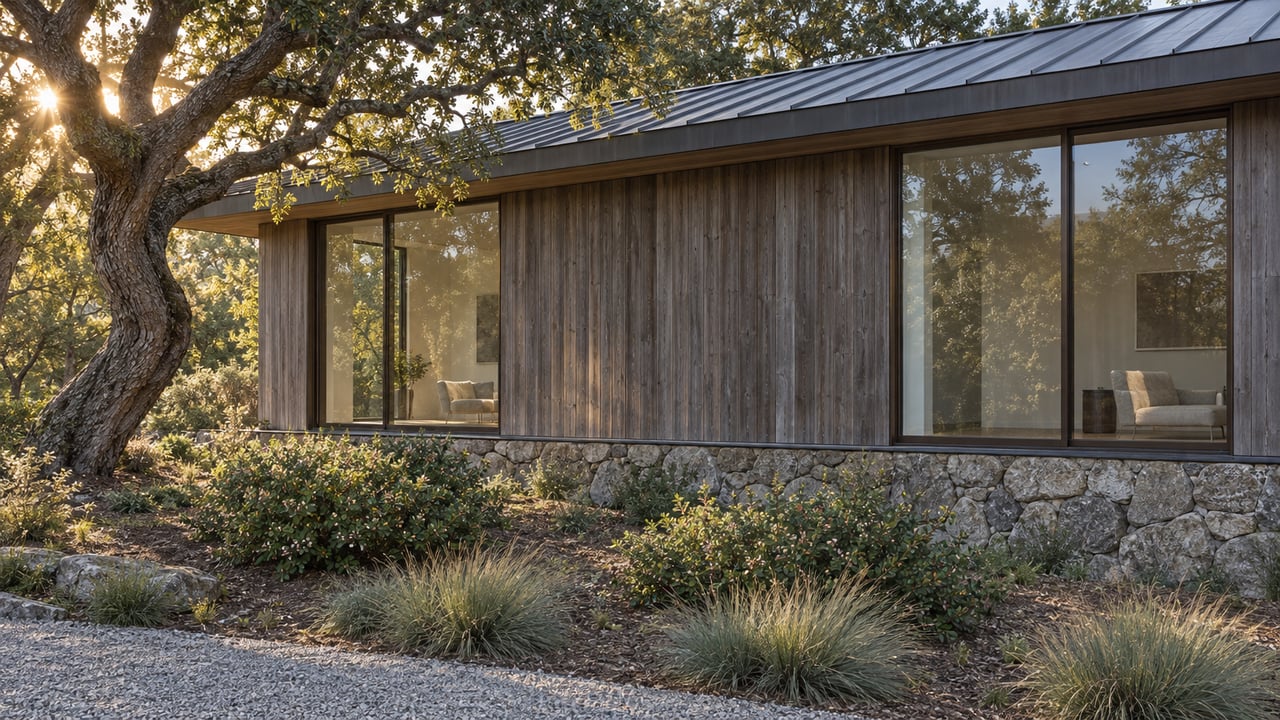
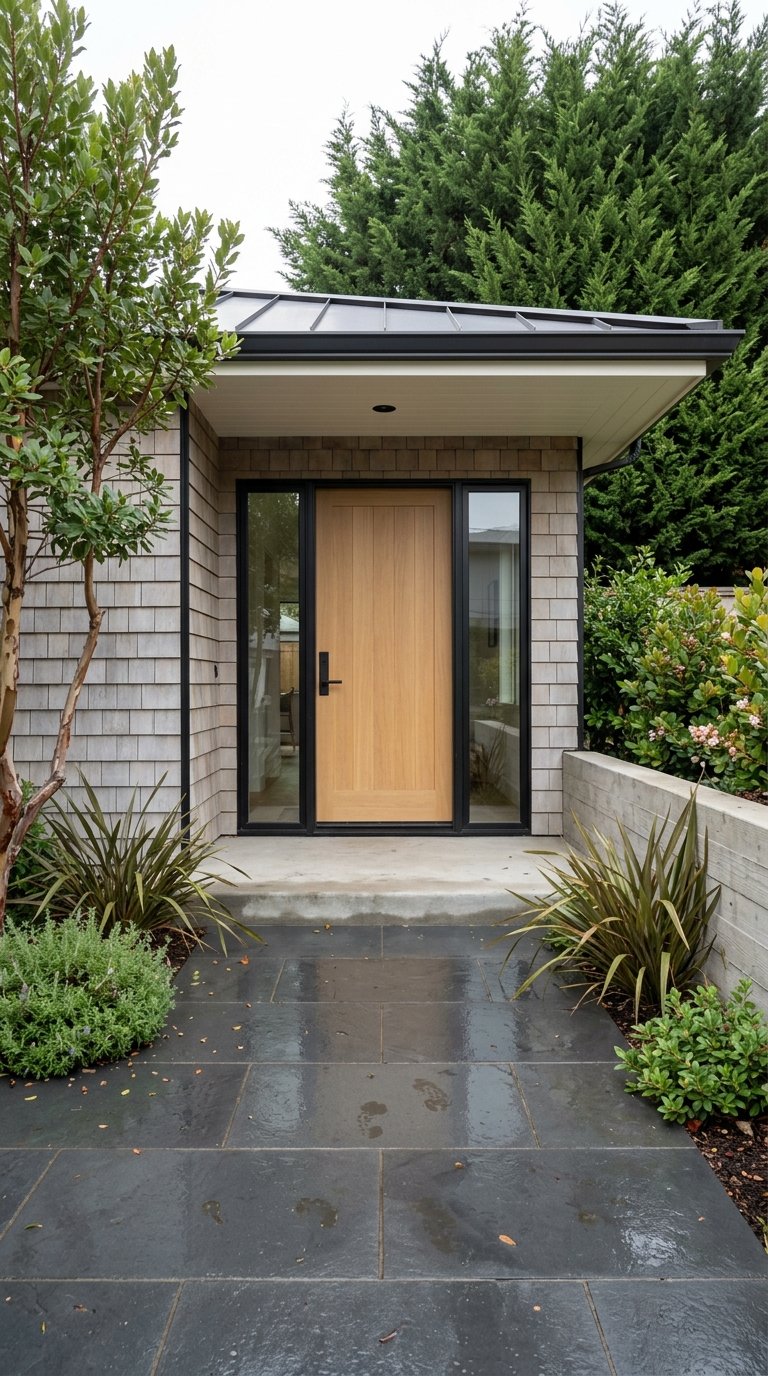
Discover the charm of Carmel-by-the-Sea homes: Oceanfront vs Village Living. Explore carmel homes for sale and learn the benefits of each unique lifestyle.
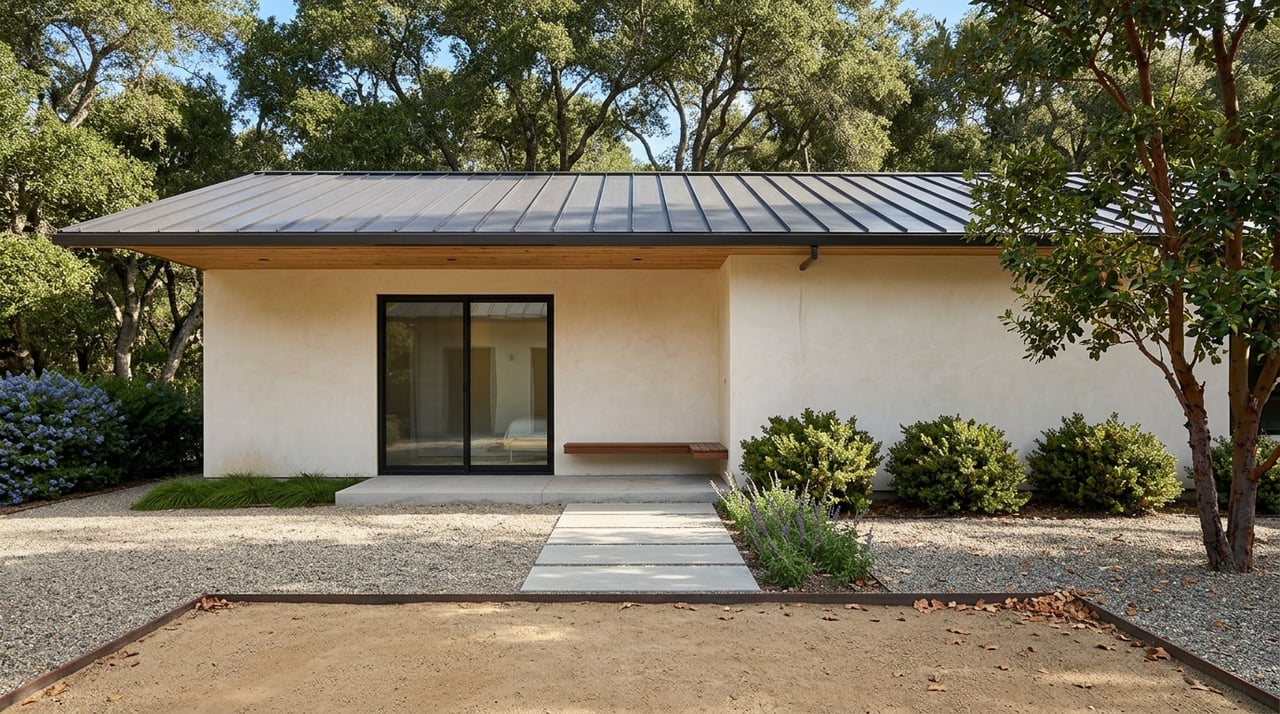
Prepare your Carmel Valley ranch or estate for sale with targeted updates focusing on exterior appeal, strategic staging, and strong visual marketing. Achieve better b… Read more

Neigborhoods
Explore the best Carmel-by-the-Sea neighborhoods for buyers with Alex Brant. Discover unique micro-areas, real estate insights, and buying tips to find your ideal Carm… Read more
Get assistance in determining current property value, crafting a competitive offer, writing and negotiating a contract, and much more. Contact Alex today to discuss all your real estate needs!