
February 5, 2026
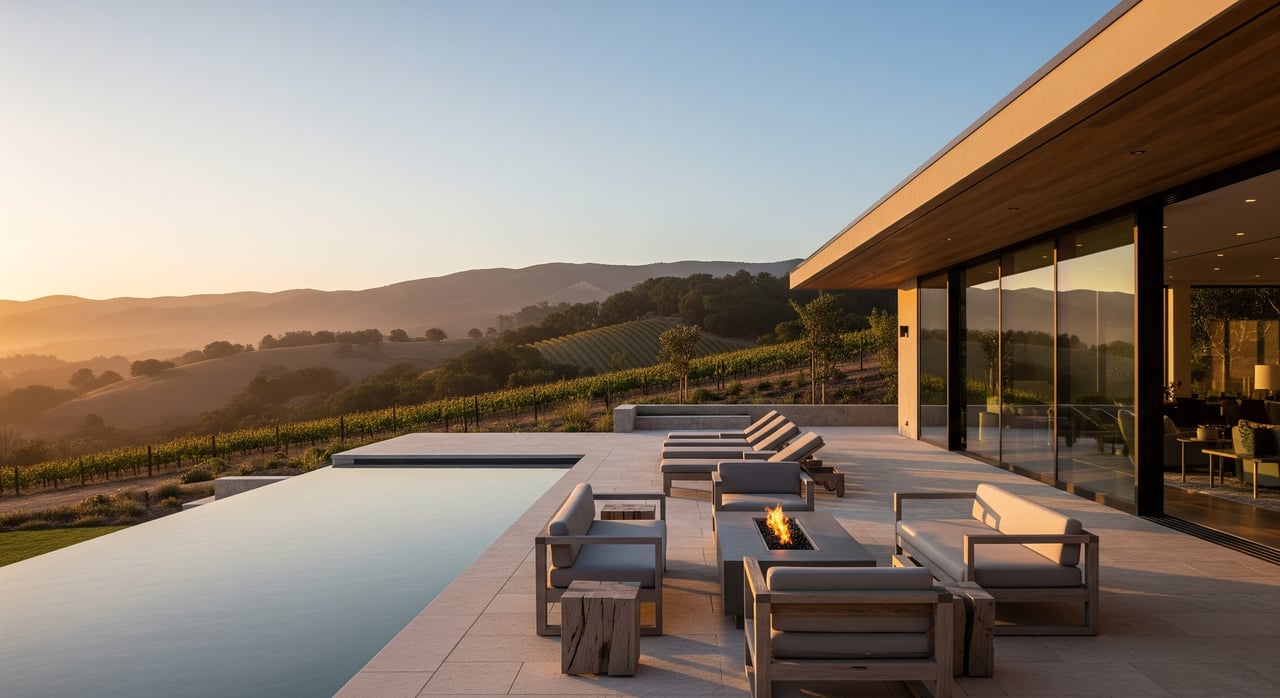
Craving more sun and room to breathe without giving up quick access to the coast? If you have been eyeing a move inland from the Monterey Peninsula, Carmel Valley offers a compelling blend of space, scenery, and a relaxed village lifestyle. You might be seeking bigger lots, an equestrian setup, or simply warmer afternoons than you find by the ocean. In this guide, you will learn what day‑to‑day life feels like here, from groceries and schools to commutes, trails, wineries, and key buyer considerations like water, septic, and wildfire. Let’s dive in.
Carmel Valley runs along the Carmel River corridor, framed by oak woodlands and chaparral with the Ventana Wilderness and Los Padres National Forest rising to the south and west. The setting feels rural to semi‑rural, with ranchland, vineyards, and low‑density neighborhoods spread between ridges and valley flats. You will also find gated ranch and resort communities, plus a small village center.
Lifestyle here is outdoors‑oriented and food‑and‑wine focused. Many residents move for larger lots, privacy, and consistently sunnier weather than coastal towns. Social life often revolves around Carmel Valley Village, local events, and destination businesses like tasting rooms and resorts.
Carmel Valley is not a city. Monterey County manages local planning and services, and the pace is neighborly and unhurried. You trade big‑city convenience for space, views, and trail access.
Carmel Valley Village offers small markets, tasting rooms, and independent restaurants, along with boutique retail. It is easy to grab a coffee, enjoy a tasting flight, or plan a relaxed dinner close to home. For larger supermarket runs or big‑box shopping, most residents drive to Monterey, Salinas, or other nearby towns on the peninsula.
Weekends draw visitors for wine and food, which supports a lively dining scene relative to the valley’s size. Expect a mix of casual and refined options, with menus that highlight local produce and wines.
You will find full‑service hospitals on the Monterey Peninsula and in Salinas, with primary care and urgent care options clustered on the peninsula as well. In an emergency, county agencies respond across the valley. Because this is a rural area, response times can be longer than in urban neighborhoods. Many residents plan routine appointments on the peninsula and keep emergency plans up to date.
School assignment depends on your specific address. Many families use public schools on the peninsula, including Carmel Unified where applicable, and others consider private or parochial options. If schools are a priority, verify district boundaries and program offerings for the property you are considering. The best approach is to check district maps directly and confirm with the district office.
Carmel Valley Road is the main east‑west artery that connects the valley to Highway 1 and coastal Carmel. Highway 68 provides another key route to Monterey and Salinas. Commute patterns vary, but many residents work on the Monterey Peninsula, in Salinas, or remotely from home.
Drive times depend on your exact location, traffic, and time of day. Before you buy, use live mapping tools to check typical weekday travel to Monterey, Carmel‑by‑the‑Sea, and Salinas during your likely commute hours. If you expect periodic trips to the South Bay, factor in the length and stress of those drives.
Public transit is limited compared with urban areas. Monterey‑Salinas Transit serves parts of the region, but frequency is lower and stops may be distant from rural homes. Most residents own cars and occasionally carpool. Recreational cycling is popular, though narrow shoulders and elevation changes can make some routes better suited to experienced riders. E‑bikes help with hills and distance for local errands.
Carmel Valley is part of a well‑established Monterey County wine region. Tasting rooms and small producers cluster near the village, and vineyard properties dot the hillsides. Weekends often bring a friendly buzz to patios and plazas, with events and flights that make it easy to meet neighbors. If you enjoy food and wine, you will feel at home exploring the local lineup.
Garland Ranch Regional Park anchors outdoor life with hiking, trail running, mountain biking, and equestrian routes across varied terrain. Ridge climbs lead to big valley views, while creek‑side trails offer shade in warmer months. Nearby, Los Padres National Forest and the Ventana Wilderness open the door to deeper trail networks and backcountry adventures.
Seasonal conditions matter. Summer drought can dry creekbeds and increase fire danger, while winter rains can close trails and swell the river. Always check access rules and parking, and pack for changeable conditions.
You are close enough to make the coast your weekend playground. Beaches, coastal trails, and scenic drives are within a comfortable day trip, so you can warm up in the valley and still catch sunsets over the ocean.
Parts of Carmel Valley suit equestrian and hobby‑farm lifestyles. You will find properties with barns, arenas, and pasture, and others that support small vineyards or olive orchards. If this is your dream, pay close attention to zoning, water rights, well capacity, and the property’s existing infrastructure. Some agricultural or event uses require special permits or conditional use approvals. Verify what is allowed for your parcel before you plan improvements.
Housing in Carmel Valley skews to single‑family homes on larger lots, ranch and equestrian properties, vineyard estates, and select resort‑residential communities. Inventory is often limited relative to demand, which can affect pricing and time on market. For up‑to‑date pricing, absorption, and days on market, consult current MLS data or a local agent with access to the latest reports.
Properties can vary widely by micro‑location. A ridge‑top home may offer panoramic views and afternoon breezes, while a river‑adjacent parcel can feel lush and sheltered. Sun, wind, and fog patterns shift across short distances, so tour at different times of day to get a true feel.
Many rural parcels rely on private wells and septic systems, while others connect to county water mains. If a property uses a well, verify well yield, water quality, and any water rights. For septic, confirm permits, system age, and capacity relative to bedroom count and planned additions. County rules and regional groundwater plans guide water use, and drought periods can bring added restrictions.
Electric service is provided by regional utilities. Outages can occur with storms or public safety shutoffs, so some owners choose backup power solutions. Broadband availability varies by address, with cable and DSL coverage in some areas and satellite options as a fallback. Always confirm provider options and speeds at the specific property before you write an offer.
Much of Monterey County, including Carmel Valley, sits in areas with wildfire risk. Review fire hazard maps and defensible space requirements for your address. Some insurers may require mitigation such as vegetation management, ember‑resistant vents, or Class A roofing. Obtain quotes early in your search and factor insurance cost and availability into your budget.
The Carmel River runs through the valley, and some low‑lying areas fall within FEMA flood zones or experience seasonal flooding. Order a natural hazard report, review flood maps, and evaluate elevation and drainage. If a property is in a designated zone, confirm whether flood insurance is required by your lender and what it will cost.
Monterey County handles planning, building permits, and rural zoning. Allowed uses, minimum parcel sizes, setbacks, and rules for agricultural or equestrian uses vary by area. If you plan to add a guest unit, expand a barn, plant a vineyard, or host events, confirm permit pathways before you commit.
Property taxes follow California’s rules, with a base levy and local assessments that vary by parcel. Insurance markets evolve, especially for wildfire coverage. Gather insurance quotes during inspections, not after closing, and review any supplemental assessments tied to the neighborhood.
Rural communities often report lower violent crime rates but can see property or vehicle theft. For a clear picture, review local law enforcement statistics and ask about neighborhood watch programs. Evaluate lighting, gates, and camera coverage as part of your due diligence.
A typical weekend might start with coffee in the village, a hike at Garland Ranch, and a late lunch at a tasting patio. Afternoons are tailor‑made for gardening, trail rides, or a dip in the river during wetter seasons. Evenings move at a slower pace, whether you are grilling on the deck or heading down valley for dinner.
If you crave both calm and connection, you will appreciate how easy it is to plug in. Farmers’ markets, art and wine events, and community gatherings create a friendly calendar that ebbs and flows with the seasons.
Choose Carmel Valley if you value space, sunshine, and an outdoor‑driven lifestyle more than urban convenience. Expect to plan your shopping runs, verify utilities by address, and take a hands‑on approach to property care. In return, you get room to spread out and a community built around trails, vineyards, and open skies.
Before you buy, use this quick checklist:
Ready to explore homes that match your lifestyle and due‑diligence needs? Connect with a local advisor who pairs neighborhood knowledge with top‑tier marketing to position you for success. Reach out to Alex Brant to start a focused, informed search.
Stay up to date on the latest real estate trends.

Neigborhoods
Where to Stay, What to See, Where to Eat & What’s New in Big Sur


Relocation Guide
What Bay Area buyers should know before moving to Carmel, Carmel Valley, Pebble Beach or Carmel Highlands.

Lifestyle & Recreation
A local’s guide to the best restaurants in Carmel, Monterey and Carmel Valley, from longtime favorites and new openings to Michelin-starred dining.

Monthly Report
Get assistance in determining current property value, crafting a competitive offer, writing and negotiating a contract, and much more. Contact Alex today to discuss all your real estate needs!