February 19, 2026
Imagine waking up to ocean light spilling over cliffs, redwoods at your back, and silence you can feel. Full-time life in Big Sur can be soul-filling, but it also asks more of you than a typical town. If you are weighing year-round residency, you need a clear picture of access, utilities, hazards, and daily logistics. This guide gives you the beauty and the tradeoffs so you can decide with confidence. Let’s dive in.
Big Sur has few neighbors and world-class scenery. The Census count for the Big Sur county subdivision shows roughly 1,700 to 1,800 year-round residents, a tiny number compared with the millions who visit each year. You feel space, quiet, and privacy in a way that is rare on the California coast. For many, that is the point.
The flip side is practicality. Services are limited and distances are real. You plan more, keep backups on hand, and build in time for storms, slides, and fire-safety work. If that trade feels right, the lifestyle can be deeply rewarding.
Highway 1 is the spine of Big Sur. The road is carved into steep coastal cliffs and has a long history of landslides and storm damage that can trigger weeks or months of closure. The 2017 Mud Creek collapse is a well-known example, and there have been many others over the decades. For residents, this reality influences commutes, deliveries, and emergency plans. You will want a flexible mindset and a stocked pantry. Learn more about Highway 1’s slide history and closures.
There is one significant inland alternate, Nacimiento–Fergusson Road, but it is long and winding and has itself closed after major events. In practice, many stretches of the coast function with a single practical route most of the year. That is the planning baseline you should use.
Power comes from PG&E, and the utility may shut off power during severe fire-weather events under its Public Safety Power Shutoff (PSPS) program. Monterey County areas have been included in PSPS events before. Backup power, cold storage strategies, and device charging are common sense investments for full-time residents. Review PG&E’s PSPS overview here.
Water and wastewater often rely on on-site systems. Many properties use private wells or springs and septic systems rather than city utilities. That means inspections and maintenance are essential, and site work can be a major part of purchase or building budgets. Local land-use rules in the Big Sur Local Coastal Program also affect what you can build and where. Read background on Big Sur’s land-use framework.
Groceries and supplies require planning. There are a few local markets and services, often with seasonal hours. Many residents drive to Monterey or Salinas for bulk shopping and appointments. When Highway 1 closes, expect sporadic supply interruptions.
Cell coverage in Big Sur is highly variable. Your carrier might have strong signal at one turnout and none two curves later. Before you commit to a property, speak with neighbors and test reception on-site.
For home internet, many households rely on satellite or fixed wireless. Low-latency LEO satellite options and point-to-point providers are common solutions, while a few pockets have better wired or fixed-wireless service. Availability is address-specific, so confirm at the exact property. See a snapshot of Big Sur internet options.
There are small local schools that serve the area, and families should confirm attendance zones and transportation details directly with districts. For most specialists, hospitals, and emergency care, you will travel to Monterey, Carmel, or Salinas. Response times vary with road and weather. Map the fastest routes to urgent care and hospitals and consider medevac contingencies if you are in a remote pocket.
Wildfire is a recurring hazard in the Santa Lucia range. Recent fires shaped policy and planning. The Soberanes Fire in 2016 burned across the region and destroyed homes. The Dolan Fire in 2020 burned more than 120,000 acres and damaged infrastructure in one season. These events affect insurance availability, premiums, and how you maintain your home. Read about the Soberanes Fire context and see the Dolan Fire incident summary.
Defensible space is required by state law. Public Resources Code 4291 sets baseline fuel-reduction rules, and AB 3074 directed the State Board of Forestry to develop an ember-resistant Zone 0 within 0 to 5 feet of structures. Rulemaking and timelines continue to evolve, so check current guidance with the Board of Forestry, CAL FIRE, and Monterey County before you begin work. For homeowner steps, see Fire Safe Monterey’s defensible space guidance and the AB 3074 text.
Landslides and coastal storms can isolate parts of the coast and complicate evacuations. Highway 1 closures during coastal emergencies are a practical reality. If you are near the water, know your evacuation routes and vertical-escape options. Monterey County includes tsunami annex planning in its emergency materials. Review the county’s tsunami incident annex.
Big Sur is a region, not an incorporated town, and a large share of its land is public or conservatively managed. The Big Sur Local Coastal Plan preserves scenic values and limits development. That means new housing supply is constrained, permits can be slow, and site development can be costly. Inventory is small and often includes second homes or hospitality properties, so availability is limited and pricing for well-located homes is typically at a premium. Explore background on Big Sur’s planning and constraints.
Use this quick checklist to separate dream from day-to-day.
Access and commutes
Utilities and redundancy
Connectivity
Fire and landslide readiness
Insurance and lending
Services and lifestyle fit
If you value privacy, nature, and a quieter rhythm, Big Sur can be unmatched. You also need comfort with planning, backup systems, and occasional isolation. Many residents keep a simple routine: regular supply runs, seasonal property maintenance, and clear emergency plans. With the right preparation, the payoff is a daily life that feels both grounded and extraordinary.
If you want help weighing a specific property’s access, utilities, and risk profile, reach out to a local advisor who knows the terrain. As a Carmel-by-the-Sea–based agent with deep Peninsula roots and Compass resources, Alex Brant can guide you through due diligence and strategy for year-round living in Big Sur. Let’s connect.
Stay up to date on the latest real estate trends.
Discover the charm of Carmel-by-the-Sea homes: Oceanfront vs Village Living. Explore carmel homes for sale and learn the benefits of each unique lifestyle.
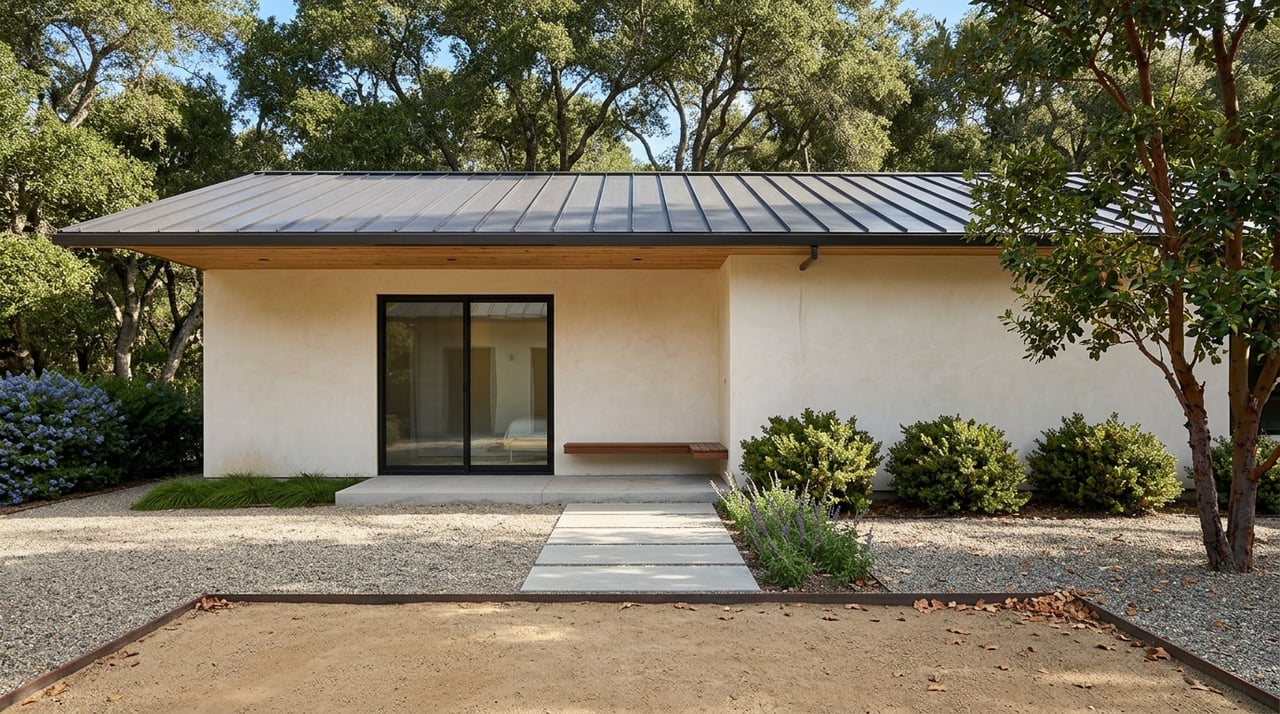
Prepare your Carmel Valley ranch or estate for sale with targeted updates focusing on exterior appeal, strategic staging, and strong visual marketing. Achieve better b… Read more

Neigborhoods
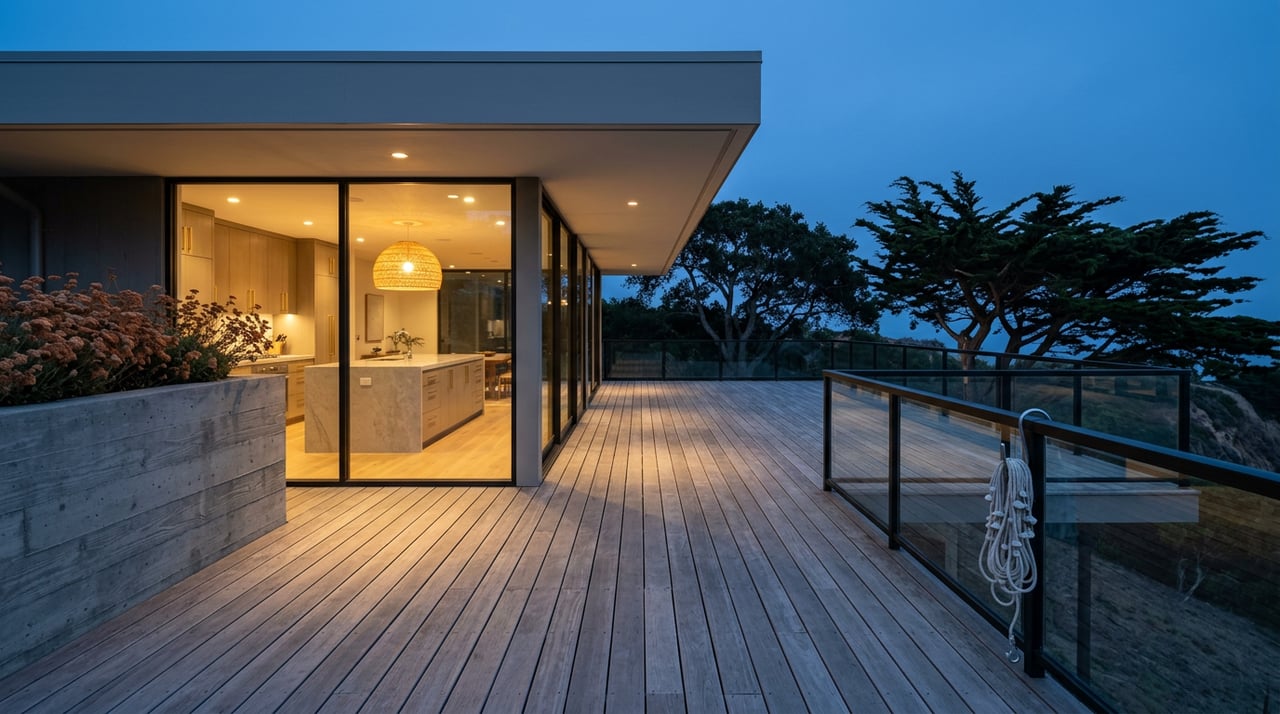
Explore the best Carmel-by-the-Sea neighborhoods for buyers with Alex Brant. Discover unique micro-areas, real estate insights, and buying tips to find your ideal Carm… Read more

Neigborhoods
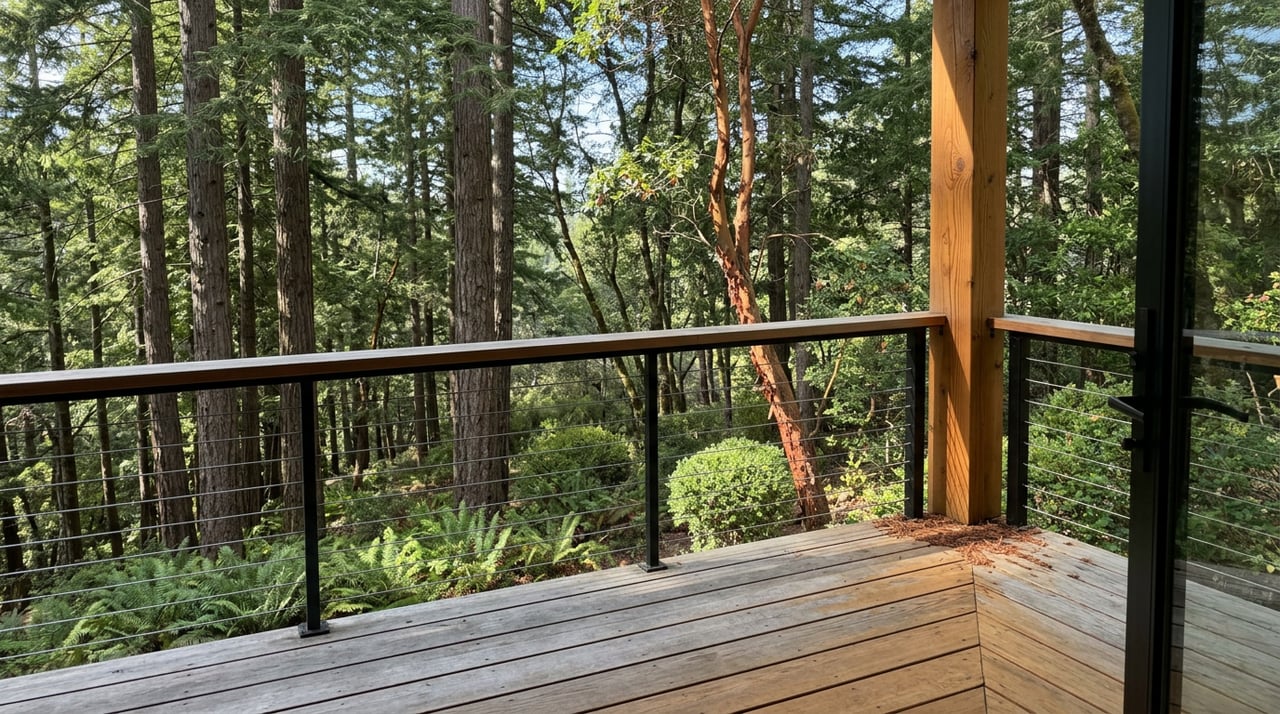
Where to Stay, What to See, Where to Eat & What’s New in Big Sur

Get assistance in determining current property value, crafting a competitive offer, writing and negotiating a contract, and much more. Contact Alex today to discuss all your real estate needs!