
June 25, 2026
If you have ever driven the winding roads of Carmel Highlands and wondered why the homes feel so distinct, the answer is simple: this is a place where architecture follows the land. Between steep granite cliffs, ocean views, and narrow hillside sites, homes here are shaped as much by the setting as by any design trend. In this guide, you’ll see the architectural styles that define Carmel Highlands homes, what makes them work so well on this stretch of coast, and what buyers and sellers should pay attention to in this unique market. Let’s dive in.
Carmel Highlands began as a residential community shaped with unusual care for the landscape. The Carmel Highlands Association says Frank Devendorf and Frank DeAmaral laid out roads and building sites to harmonize with the granite cliffs, ocean, and Santa Lucia Mountains.
That early planning still shows today. Monterey County describes Carmel Highlands-Riviera as the most rural of the Carmel residential enclaves, with steep slopes, shallow soils, and narrow, winding roads that constrain development.
In other words, homes here are rarely just placed on a lot. They are typically designed in response to the site, the views, the slope, and the surrounding natural character.
The best Carmel Highlands homes often share one striking balance. They feel restrained in their massing, materials, and visibility, yet dramatic in the way they engage the ocean, granite, and changing coastal light.
That design logic closely matches Monterey County policy for the Carmel coast. In visible coastal areas, structures are expected to harmonize with the natural scenic character, minimize visibility, avoid ridgelines, preserve native vegetation, and use materials and colors that blend into the setting.
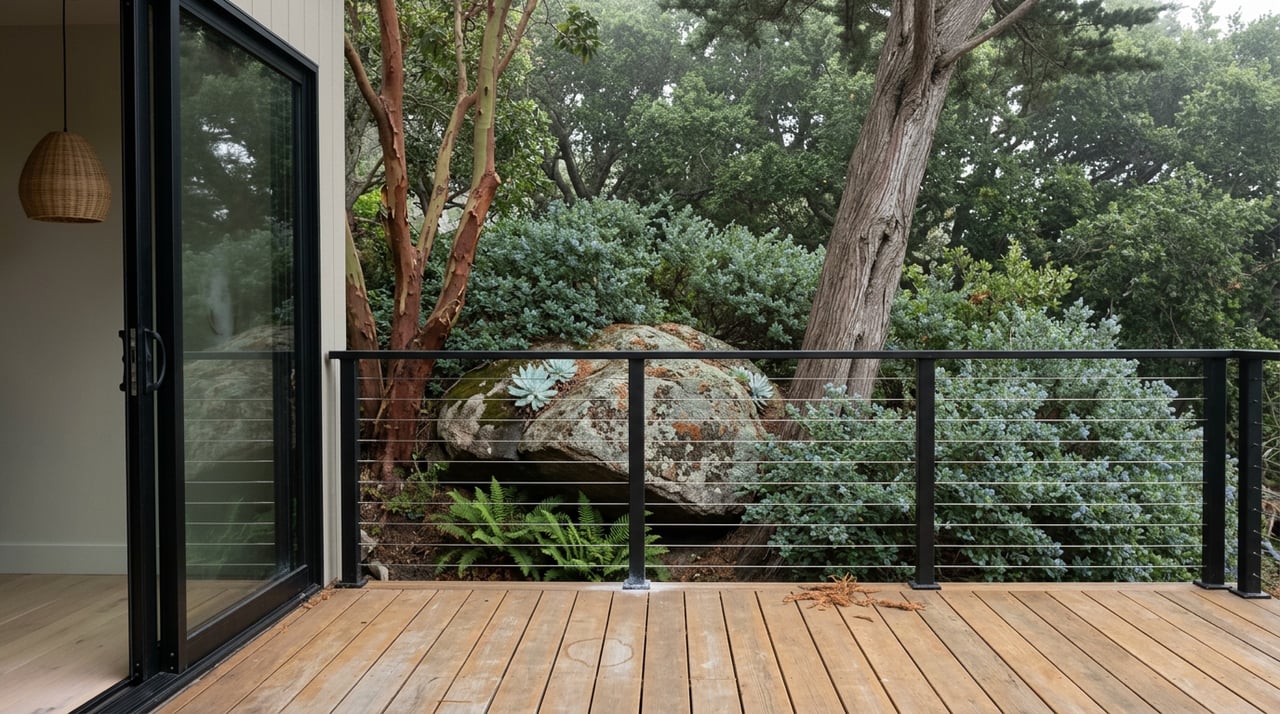
This is why the most memorable homes in Carmel Highlands often sit low, use natural finishes, and let the coastline take center stage. The architecture is important, but it usually works best when it feels inseparable from the land.
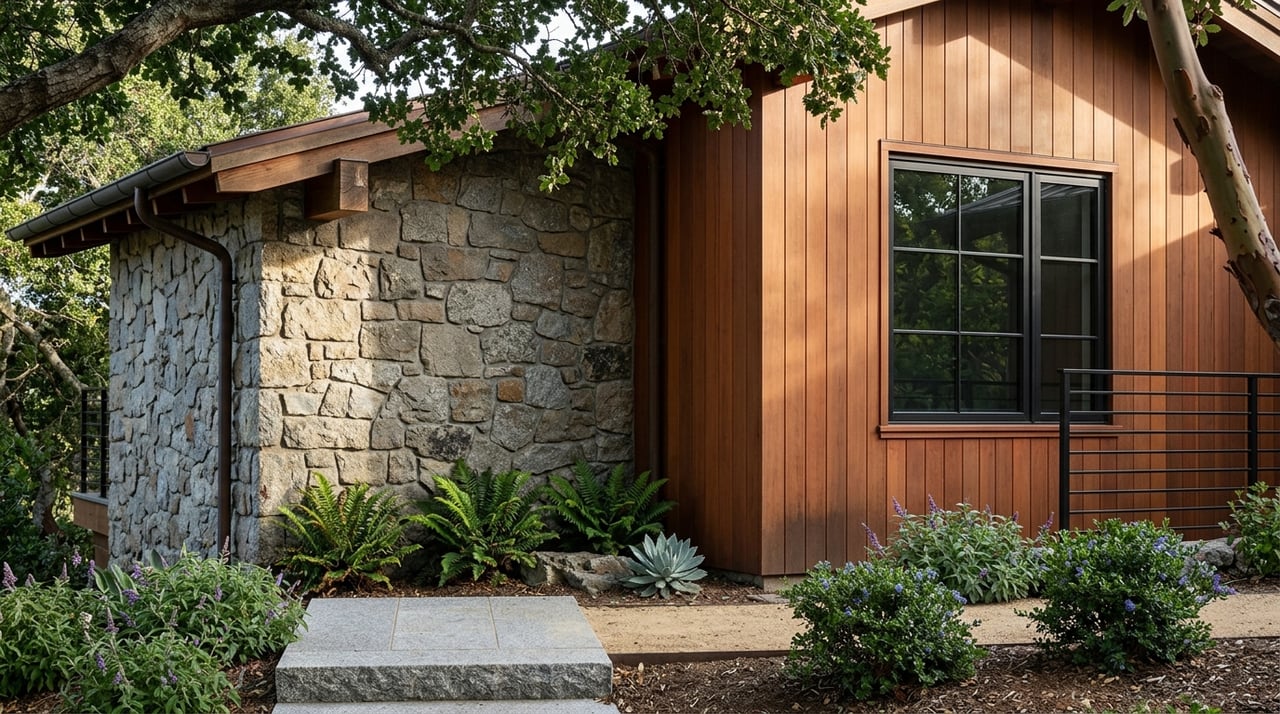
One of the clearest architectural influences in Carmel Highlands is the Arts and Crafts tradition, including Craftsman and rustic romantic forms. In the broader Carmel historic context, this style is described as low-pitched and horizontal, with honest materials like wood, brick, and stone, exposed structural elements, and outdoor spaces that connect the house to nature.
Those qualities fit Carmel Highlands naturally. On a rugged coastal site, a low-slung home with timber, shingles, and stone tends to feel grounded rather than imposed.
Tor House is one of the best-known examples of this local design mindset. Robinson Jeffers built it from granite boulders gathered from the shore, kept it low to the ground for storm exposure, and created a house that the National Historic Landmarks summary says rises naturally from the earth through its irregular stone courses.
That approach has had lasting influence. It helped establish the idea that in Carmel Highlands, architecture should respond to the coast with weight, texture, and humility.
If you are drawn to older stone-and-timber homes, the appeal often comes from a few consistent features:
For many buyers, these homes offer a sense of permanence that suits the drama of the coastline.
Carmel-area revival architecture often borrowed from medieval English precedents. According to the Carmel historic context statement, common features included steep gables, half-timbering, diamond-paned windows, and stucco or shingle exteriors, sometimes combined with Carmel stone.
In Carmel Highlands, these homes rarely feel formal or rigid. Local builders often blended features from multiple styles, which created highly individual homes rather than a uniform pattern.
The Tudor and English Revival influence adds texture and personality to the neighborhood. Steep rooflines and cottage-like detailing can create a softer contrast to the hard edges of cliffs and rock outcroppings.
At the same time, local materials help these homes stay rooted in place. When stone, shingles, or weathered wood are part of the palette, the result feels less imported and more connected to the coast.
Modern architecture also has deep roots in the Carmel area. The local historic context describes it not as cold or purely industrial, but as a warmer Bay Region Modern style shaped by terrain, climate, and coastal living.
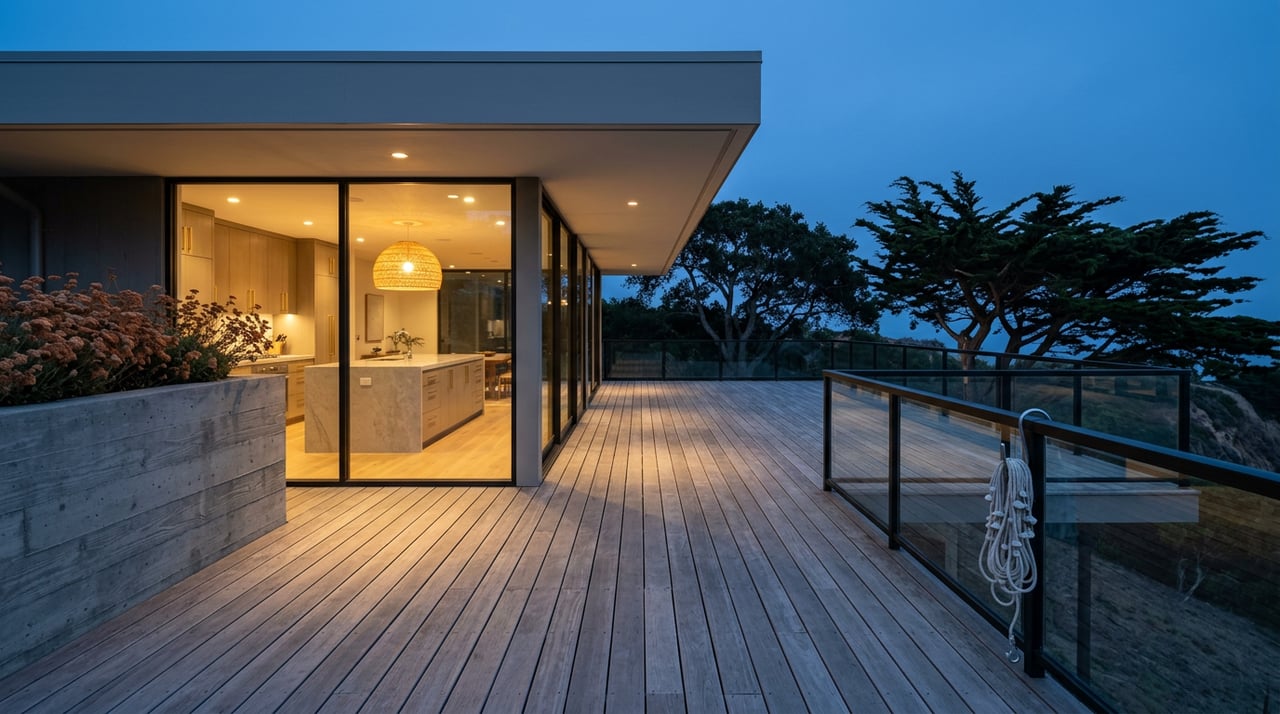
That distinction matters in Carmel Highlands. The modern homes that work best here usually do not fight the landscape. They simplify the form, open the walls to the view, and use materials that still feel appropriate to the site.
Contemporary cliffside homes continue that tradition with cleaner lines and larger areas of glazing. A strong example is Pelican House, described by Carmel Magazine as a home more focused on showing off the coast than showing off the architecture.
That idea captures the local standard well. In the strongest modern designs, custom glazing, repurposed site stone, and open living spaces make the ocean feel like part of daily life.
You will often see these elements in Bay Region Modern or contemporary homes:
For architecture-minded buyers, these homes can feel especially compelling when they combine strong view orientation with a sense of restraint.
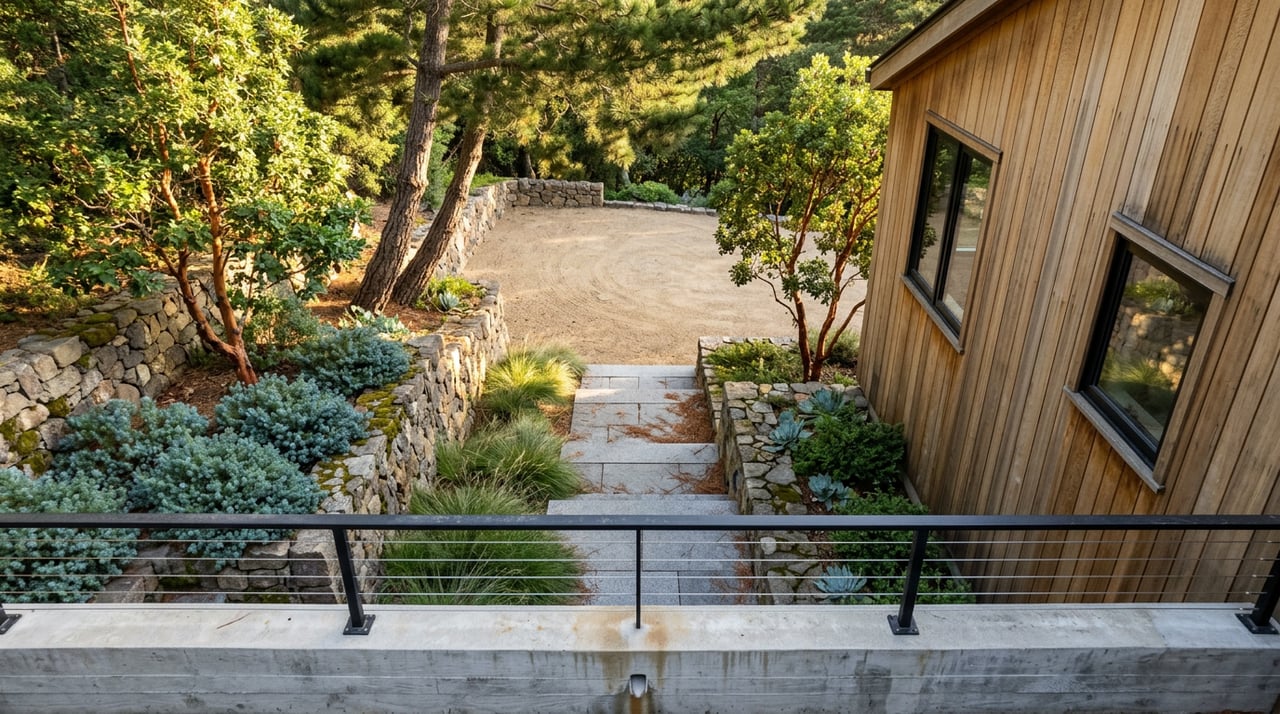
In Carmel Highlands, architecture is not only about facade details. Monterey County policies make clear that siting, grading, vegetation preservation, and visibility are major parts of the design equation.
Structures should minimize tree removal and grading, avoid visible slope scarring, and use access routes that follow natural topography where possible. On steep coastal parcels, the placement of a driveway, retaining wall, or utility feature can affect the overall success of a home just as much as the roofline or windows.
The area’s physical conditions are also a practical design factor. County planning documents note steep slopes, shallow granitic soils, and septic-system constraints in Carmel Highlands.
For buyers, this means the most successful homes are often the ones that solve technical challenges quietly. Good architecture here is not just beautiful. It is also responsive to drainage, access, grading, and long-term livability on a demanding site.
A local luxury broker interview in Carmel Magazine identified several factors that matter most to buyers in Carmel Highlands: location and views, privacy, architectural design, quality of finishes, and access to amenities.
That lines up closely with how the architecture performs in real life. Homes that tend to stand out are usually the ones that feel carefully fitted to their site rather than simply built for size or visual impact.
Architecture-minded buyers often pay close attention to:
For sellers, these are often the details worth highlighting in marketing. For buyers, they can help explain why two homes with similar square footage may feel very different in person.
If you are buying in Carmel Highlands, it helps to look beyond style labels alone. A home may read as Craftsman, Tudor-inspired, or contemporary, but the bigger question is how well it engages the lot, view, slope, and coastal setting.
If you are selling, architectural value often comes through in the story of the home as much as the finish level. Materials, provenance, siting, and the relationship between interior spaces and the coastline can all shape buyer perception.
In a market like Carmel Highlands, thoughtful presentation matters. Design-forward photography, clear positioning, and a strong understanding of what makes the home site-specific can make a real difference in how the property is received.
If you’re considering a move in Carmel Highlands or want help understanding how a home’s architecture may influence value and buyer appeal, connect with Alex Brant for local guidance grounded in deep Monterey Peninsula knowledge.
Stay up to date on the latest real estate trends.

Neigborhoods
Where to Stay, What to See, Where to Eat & What’s New in Big Sur


Relocation Guide
What Bay Area buyers should know before moving to Carmel, Carmel Valley, Pebble Beach or Carmel Highlands.

Lifestyle & Recreation
A local’s guide to the best restaurants in Carmel, Monterey and Carmel Valley, from longtime favorites and new openings to Michelin-starred dining.
Get assistance in determining current property value, crafting a competitive offer, writing and negotiating a contract, and much more. Contact Alex today to discuss all your real estate needs!