
July 9, 2026
What if the thing you want most in a second home is less? Less noise, fewer interruptions, and more room to breathe. If you are drawn to the idea of a place that feels far removed from daily routines, Big Sur often stands out for exactly that reason. This guide explains why second-home buyers choose Big Sur retreats, what makes the area so compelling, and what practical realities you should understand before you buy. Let’s dive in.
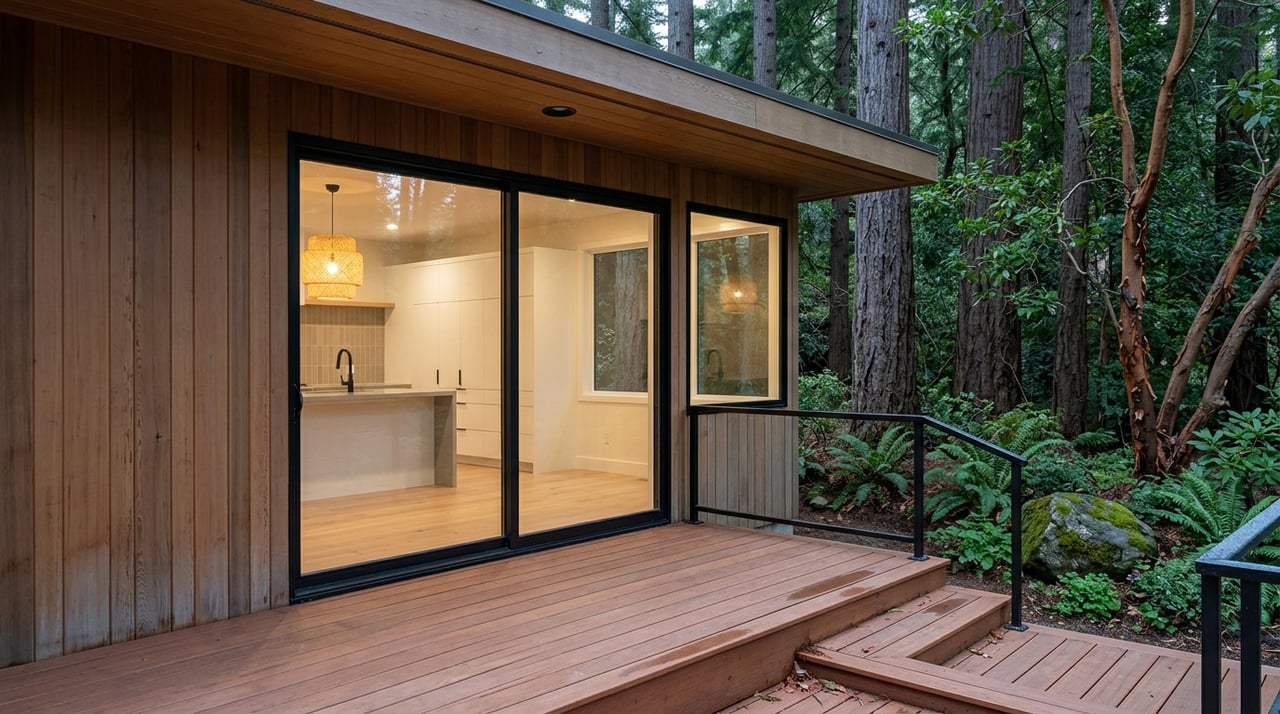
Big Sur appeals to buyers who want a second home that feels genuinely separate from everyday life. California State Parks describes the area through its redwoods, coastline, cliffs, and wilderness character, which helps explain why the setting feels so distinct from a typical coastal town.
That sense of retreat is reinforced by the area’s limited connectivity. Big Sur Station notes that cell service is extremely limited, and California State Parks says phone, internet, and satellite service can be unreliable. For many second-home buyers, that is not a drawback. It is part of the appeal.
When you picture owning in Big Sur, the lifestyle is usually less about convenience and more about calm. You are buying into privacy, scenery, and a slower rhythm that can be hard to find elsewhere on the Monterey Peninsula.
Many second-home buyers start their search wanting more than just ocean views. They want space, quiet, and a setting that feels low-density and removed from crowded routines. Big Sur fits that goal especially well.
The hospitality brands most associated with the area reflect this identity clearly. Post Ranch Inn emphasizes sanctuary, privacy, and ocean or mountain views, while Alila Ventana Big Sur highlights 160 acres of natural splendor, privacy, and tranquility. Even Deetjen’s Big Sur Inn leans into a rustic redwood-forest experience.
Those cues matter because they mirror what many buyers are seeking in a second home. In Big Sur, the value is often tied to seclusion and atmosphere as much as the home itself.
Some second-home markets are driven by dining, shopping, or packed activity calendars. Big Sur is different. Here, the landscape is the main event.
The area’s appeal comes from direct access to dramatic coastline, redwood groves, river settings, and sweeping overlooks. That natural setting supports a kind of ownership experience centered on restoration, outdoor time, and repeated escapes from city life.
For many buyers, that is exactly the point. A Big Sur retreat is not just a property you visit. It is a place you return to when you want to reset.
A second home in Big Sur is usually best understood as a repeat-use retreat rather than a daily convenience property. Based on the area’s amenity mix, access conditions, and recreation options, owners are often drawn to uses like weekend escapes, holiday stays, multi-generational gatherings, quiet work retreats, and wellness-focused getaways.
That pattern makes sense in this setting. Resort offerings in the area include spa treatments, yoga, meditation, guided nature walks, and outdoor experiences, while the park system provides year-round access to trails, beaches, and redwoods.
If your ideal second home supports reading, hiking, unplugging, and quality time with family or friends, Big Sur aligns naturally with that vision. It tends to attract buyers who want meaningful downtime rather than nonstop activity.
In many markets, strong connectivity is treated as a must-have. In Big Sur, limited service can actually strengthen the retreat experience. See Monterey describes the area as a rugged wilderness with limited conveniences, few gas stations, and limited cell service.
That reality creates what many people now call a digital-detox environment. Instead of constant notifications and packed schedules, you get a setting that encourages presence and slower living.
Of course, that does not suit every buyer. But if you are intentionally looking for a place that helps you unplug, Big Sur’s sparse connectivity can feel like a feature rather than a flaw.
One reason buyers choose Big Sur for a second home is that the area supports repeated visits well. The local park system offers a wide range of experiences close to the landscape that defines the region.
Pfeiffer Big Sur State Park centers on the Big Sur River and coast redwoods. Andrew Molera State Park offers about 15 miles of trails and access to the Big Sur rivermouth. Garrapata State Park includes two miles of coastline and trails that move from chaparral into redwoods.
Limekiln State Park combines rugged coast, redwoods, and a nearly 100-foot waterfall. Point Sur State Historic Park adds docent-led access to a historic lightstation on a 361-foot volcanic rock above the Pacific.
These experiences help explain why ownership here feels different from a standard vacation-home model. You are not just visiting once for a postcard view. You are returning to a landscape with enough variety to stay compelling over time.
Big Sur’s outdoor appeal is not a niche interest. Recreation demand is strong, and that helps reinforce the area’s value as a place people actively want to spend time. Pfeiffer Big Sur State Park notes that campground reservations fill six months in advance, even in winter.
That fact says a lot about the area’s year-round draw. Buyers who choose Big Sur are often responding to a destination with deep, consistent appeal rather than a short seasonal spike.
For a second-home buyer, that matters. It suggests that the lifestyle value of the area holds up well across seasons and repeat visits.
As appealing as Big Sur is, buyers should go in with clear expectations. This is not a full-service coastal town with conveniences around every corner. Planning ahead is part of the ownership experience.
California State Parks says phone, internet, and satellite service can be unreliable. See Monterey also advises visitors to plan ahead for fuel and restrooms because conveniences are spread out.
That does not mean Big Sur is hard to enjoy. It means the right buyer usually appreciates self-sufficiency and understands that the tradeoff for extraordinary beauty is a little more preparation.
Highway 1 is the essential access route for Big Sur, so road conditions are a real factor in ownership. At the time of research, Caltrans live road information showed a one-way controlled traffic segment north of Big Sur due to maintenance.
Caltrans project pages also document the area’s history of landslide-related closures and reopenings, including work tied to Regent’s Slide. The takeaway is simple: before every trip, you should check current road conditions.
For second-home buyers, this is one of the most important practical considerations. The access is spectacular, but it is also dynamic.
Even some of Big Sur’s best-known attractions are subject to changing conditions and project timelines. Current park notices show that Julia Pfeiffer Burns State Park’s McWay Falls Overlook Trail is closed for a retaining-wall project into 2026.
Limekiln State Park has also experienced changes tied to landslide-related access issues, though it recently moved from day-use limitations back to camping. These updates reinforce a bigger point about Big Sur ownership: access is not always static.
That may sound challenging, but it is really about setting the right expectations. Buyers who thrive here tend to value the setting enough to adapt to changing conditions.
Big Sur does have local support, but it is oriented to essentials rather than full-service convenience. Big Sur Health Center provides preventive and urgent care, minor surgical procedures, basic laboratory services, and pharmaceutical support on weekdays.
For a second-home owner, that is meaningful local infrastructure. At the same time, it does not remove the need to plan carefully and understand the area’s remote character.
This balance is central to Big Sur’s appeal. You get a remarkable sense of escape, but you also need to approach ownership with practical awareness.
Second-home buyers choose Big Sur retreats because the area delivers something increasingly rare: a place that feels truly away. The combination of privacy, iconic scenery, low-density surroundings, and direct access to parks creates a style of ownership rooted in restoration rather than routine.
This is not the right fit for everyone, and that is part of what makes it special. If you want a second home built around convenience, Big Sur may feel too remote. If you want a place to unplug, recharge, and return to again and again, it can be a powerful match.
For buyers exploring coastal second homes on the Monterey Peninsula, Big Sur often stands apart not because it offers more, but because it offers less of what most people are trying to escape.
If you are considering a Big Sur retreat or exploring second-home opportunities across the Monterey Peninsula, Alex Brant offers local guidance rooted in Peninsula knowledge and a relationship-first approach.
Stay up to date on the latest real estate trends.
Discover the charm of Carmel-by-the-Sea homes: Oceanfront vs Village Living. Explore carmel homes for sale and learn the benefits of each unique lifestyle.
Prepare your Carmel Valley ranch or estate for sale with targeted updates focusing on exterior appeal, strategic staging, and strong visual marketing. Achieve better b… Read more

Neigborhoods
Explore the best Carmel-by-the-Sea neighborhoods for buyers with Alex Brant. Discover unique micro-areas, real estate insights, and buying tips to find your ideal Carm… Read more

Neigborhoods
Where to Stay, What to See, Where to Eat & What’s New in Big Sur

Get assistance in determining current property value, crafting a competitive offer, writing and negotiating a contract, and much more. Contact Alex today to discuss all your real estate needs!