
June 11, 2026
Sun changes more than the view in Carmel Valley. It shapes how your home feels in the morning, how long you use the patio in the evening, and even which side of the house stays comfortable on a warm afternoon. If you are buying, selling, or simply trying to understand what makes this part of Monterey County live differently from the coast, this guide will show you how Carmel Valley sun influences everyday home life. Let’s dive in.
Carmel Valley has a moderate Mediterranean climate with warm, dry summers and mild, rainy winters. Monterey County also notes that ocean effects still play a role, with onshore winds during the day and weaker offshore breezes at night and in the early morning. That balance helps explain why sunlight often feels more present here than it does right on the coast.
Topography is a big part of the story. Carmel Valley is a northwest-southeast valley with ridges, varied elevations, and the Carmel River corridor running through it. Those features create small shifts in temperature, wind, and light that you can notice from one street, slope, or hillside to the next.
That inland feel also stands out when compared with coastal Carmel. Carmel-by-the-Sea often sees summer morning fog and a marine layer that tends to clear later in the day. Carmel Valley, by contrast, often feels like the warmer, brighter counterpart just a short drive inland.
In Carmel Valley, sunlight affects your routine in simple, practical ways. Morning coffee may feel best on one side of the property, while late afternoon may call for a shaded patio or a cooler indoor room. Over time, you start to notice that the sun is not just a backdrop here. It becomes part of how you use the home.
This is especially true because local conditions can vary so much. A home tucked near the valley floor may feel different from one on a sunny rise, and a west-facing patio may perform very differently from a courtyard protected by trees or walls. These microclimate differences matter in real, everyday ways.
The valley’s rural setting also shapes how homes relate to light and landscape. Monterey County’s planning guidance emphasizes preserving rural character, open space, visual compatibility, and low-visibility development. In practice, that means homes here are often experienced as part of the land around them, not separate from it.
If you are evaluating a home in Carmel Valley, window orientation deserves a close look. The U.S. Department of Energy notes that south-facing windows can bring in winter sun while limiting direct summer sun when shaded properly. North-facing windows usually provide steadier natural light with less unwanted heat gain.
East- and west-facing windows can be trickier. East-facing glass brings morning light, which many people enjoy in kitchens, breakfast areas, or home offices. West-facing glass can create stronger glare and more heat later in the day, especially during warmer months.
That does not mean west-facing homes are a problem. It simply means features like awnings, reflective films, exterior shade, and thoughtful window coverings can make a noticeable difference in comfort. In a sunny valley setting, the best homes tend to manage light, not just invite more of it.
One of the most useful things to understand about Carmel Valley is that not every lot lives the same way. UCANR guidance explains that east-facing areas usually get morning sun and tend to be a bit moister, while west-facing areas are hotter and drier. South-facing areas are generally warm and sunny even in winter.
That kind of variation can affect everything from outdoor seating to gardening to how late your interior stays warm after sunset. Masonry walls, patios, and rocks can absorb heat during the day and release it later. Shade trees and nearby structures can help soften heat and wind exposure.
For buyers, this is a reminder to pay attention during showings. Notice where the sun hits the main living spaces, where shade arrives in the afternoon, and how exposed the outdoor areas feel. Two homes that seem similar on paper can live very differently because of orientation and topography.
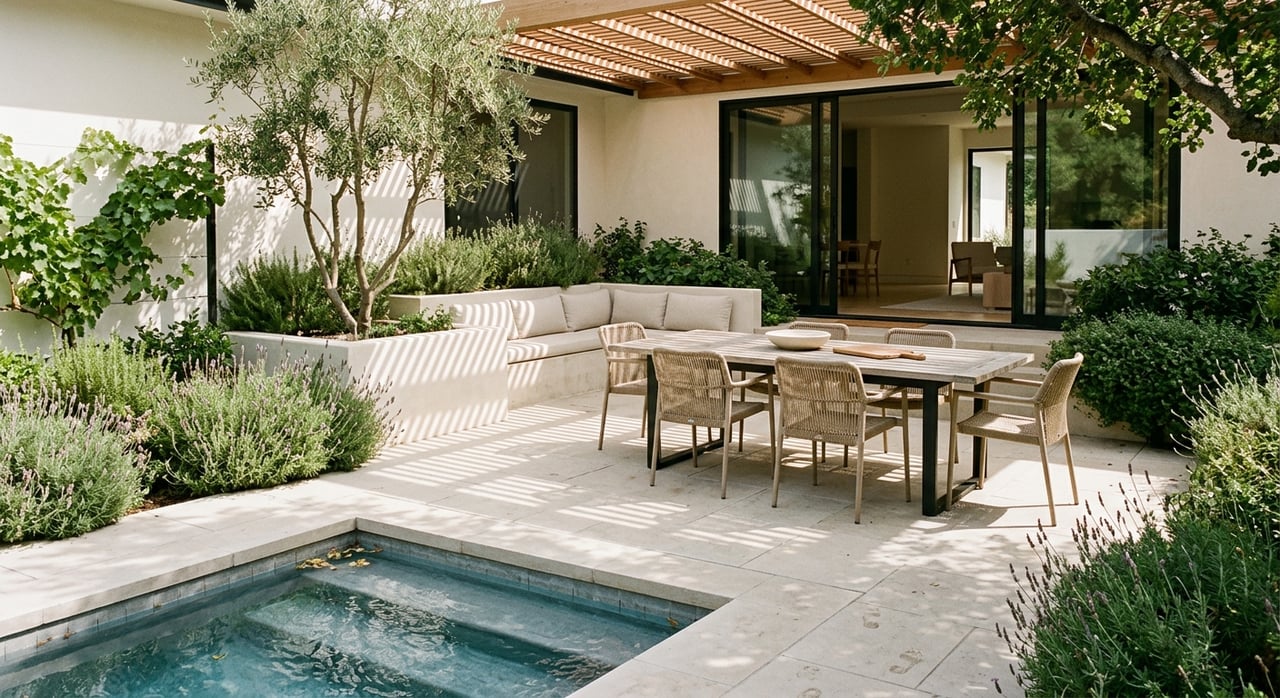
Carmel Valley’s warm, dry summer pattern helps explain why outdoor living is such an important part of home life here. Covered patios, courtyards, pool decks, and transitional outdoor rooms often make sense in this climate because they create usable space without forcing you into full sun all day. The most comfortable setups usually balance sunlight, shade, and airflow.
This is where design choices really matter. Pergolas, mature trees, covered seating areas, and protected dining spaces can extend how often you use the exterior of the home. In a place where the weather often invites you outside, shade is not a luxury feature. It is part of everyday function.
That same principle matters for sellers, too. If your home has outdoor spaces that feel comfortable at different times of day, those spaces are worth presenting clearly. Buyers are often imagining lifestyle as much as square footage, especially in a location where indoor-outdoor flow is part of the appeal.
Landscaping in Carmel Valley is about more than looks. Monterey County notes the importance of the Carmel River and Carmel Valley aquifer in the region’s water supply, which helps explain why water-conscious planting and irrigation are practical concerns. In other words, the landscape around your home works best when it respects local conditions.
UCANR recommends evaluating sun, shade, wind, soil, slopes, and low or high spots before choosing plants. It also supports the use of low-water-use and California-native plants where appropriate. In a warm inland valley, that often points toward layered planting, targeted irrigation, and shade elements that improve comfort without demanding unnecessary water.
For homeowners, this can mean a yard that is easier to maintain and more in tune with the site. For buyers, it is worth noticing whether the landscape feels adapted to the property’s light and exposure. For sellers, a well-matched outdoor plan can help the home feel more intentional and easier to care for.
If you are shopping for a home in Carmel Valley, it helps to look beyond finishes and square footage. Pay attention to how the home handles sun over the course of the day. A beautiful view is important, but so is whether the great room overheats at 4 p.m. or the patio is usable at dinner time.
A few features tend to matter most in this setting:
These are the kinds of details that can improve comfort without fighting the valley’s natural conditions. In many cases, they also make a home feel more settled into its setting.
If you are preparing to sell, the sun story of your home can be part of what sets it apart. Buyers in Carmel Valley are often drawn to lifestyle, land, and the feeling of being connected to the outdoors. Features that help a home handle light well can support that story.
You can often highlight value through practical details such as:
This is also where strong marketing presentation matters. Clear photography, thoughtful timing, and a strong understanding of how the property lives can help buyers see the difference between a house that is sunny and a house that is truly comfortable.
Carmel Valley is not just sunny in a general sense. It is a place where climate, terrain, rural planning, and daily lifestyle all meet. The result is a market where the best homes often reflect more than style alone. They respond to the land, the light, and the way people actually live here.
That is why local context matters so much when you buy or sell. A home’s orientation, shade, outdoor flow, and landscape choices can shape comfort just as much as the floor plan. In Carmel Valley, sun is part of the lifestyle, but smart design is what makes that lifestyle work well.
If you are thinking about buying or selling in Carmel Valley, having local guidance can make it easier to understand how a property lives beyond the listing photos. For tailored insight on homes, land, and lifestyle across the Monterey Peninsula, connect with Alex Brant.
Stay up to date on the latest real estate trends.

Monthly Report
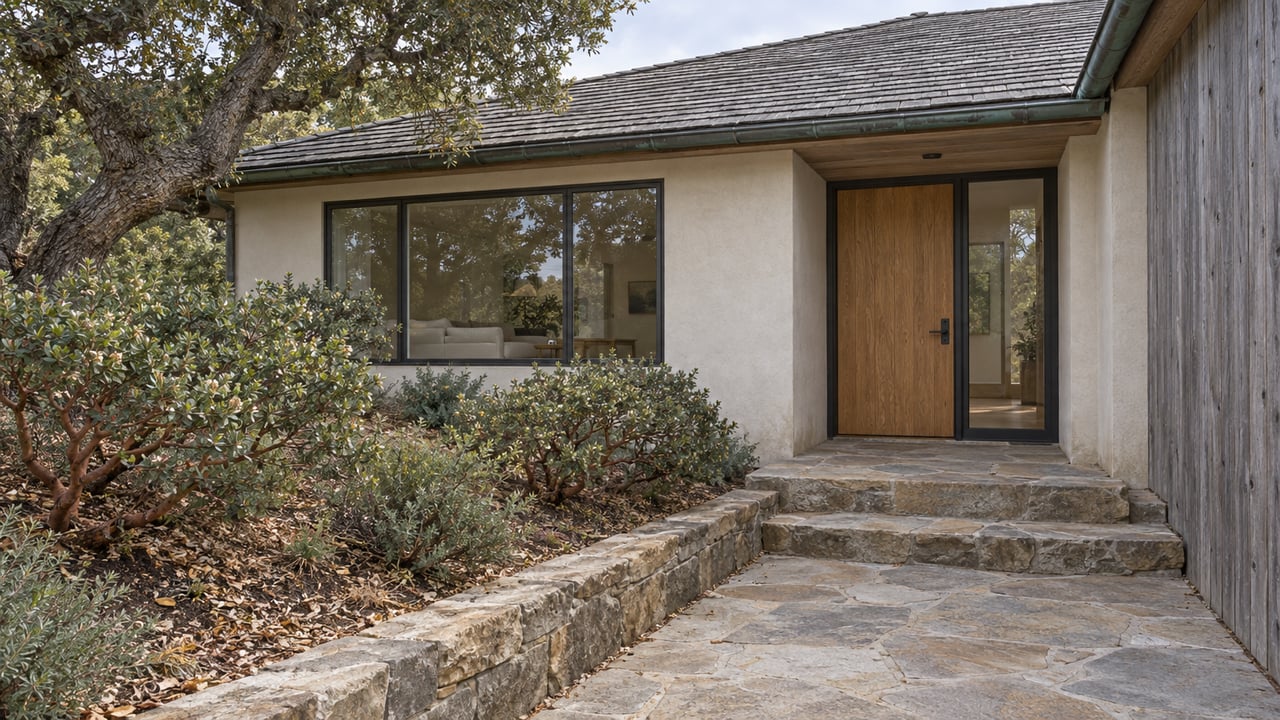
October housing trends, home prices, and inventory—and what they mean for Monterey County buyers and sellers.
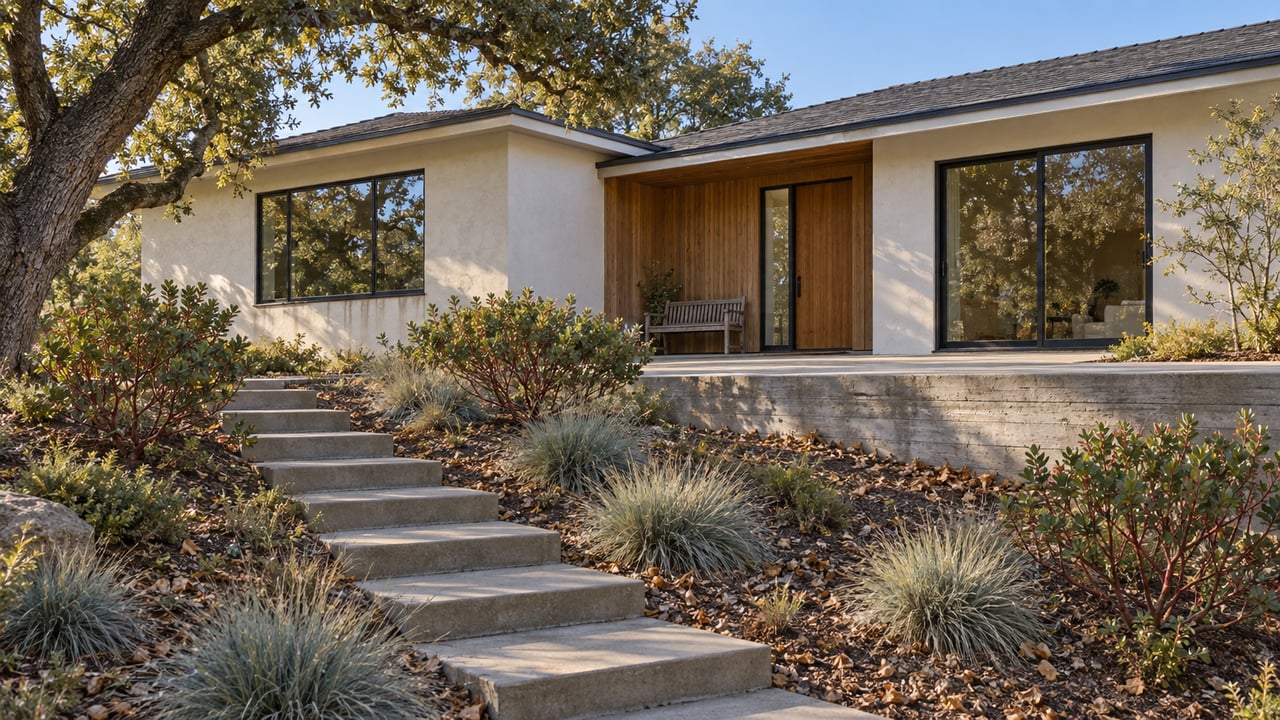
Discover the charm of Carmel-by-the-Sea homes: Oceanfront vs Village Living. Explore carmel homes for sale and learn the benefits of each unique lifestyle.
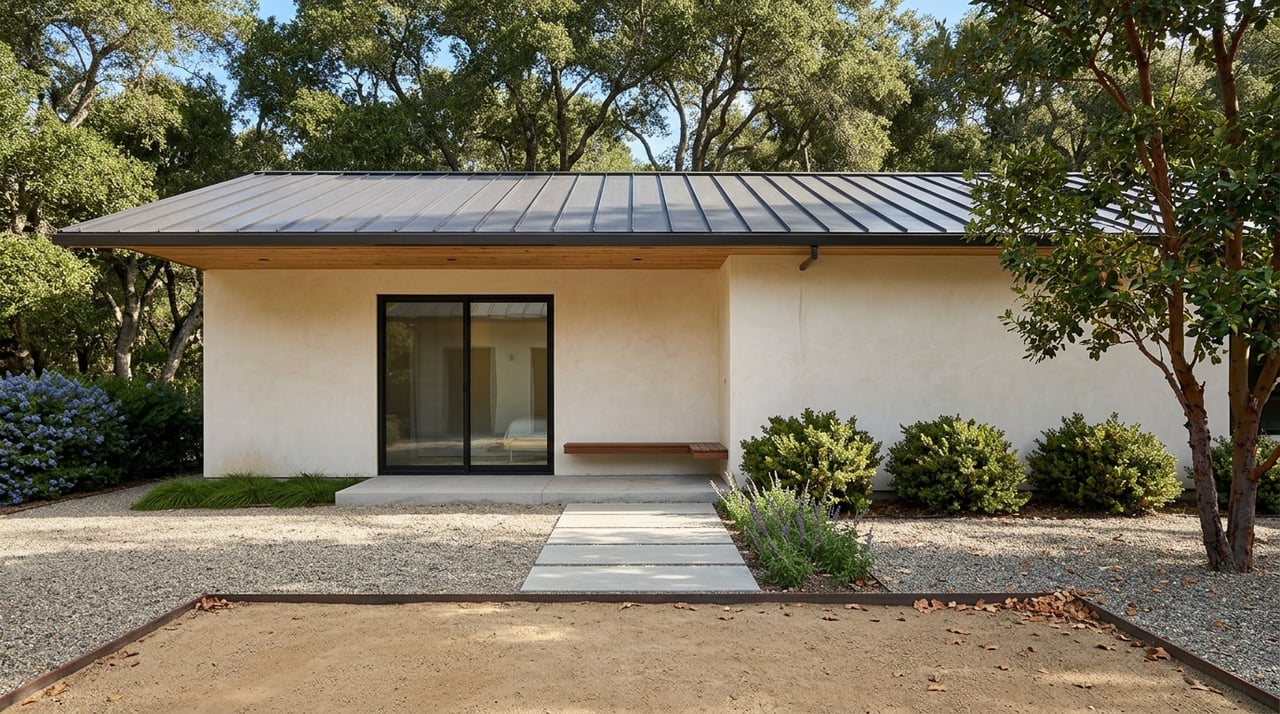
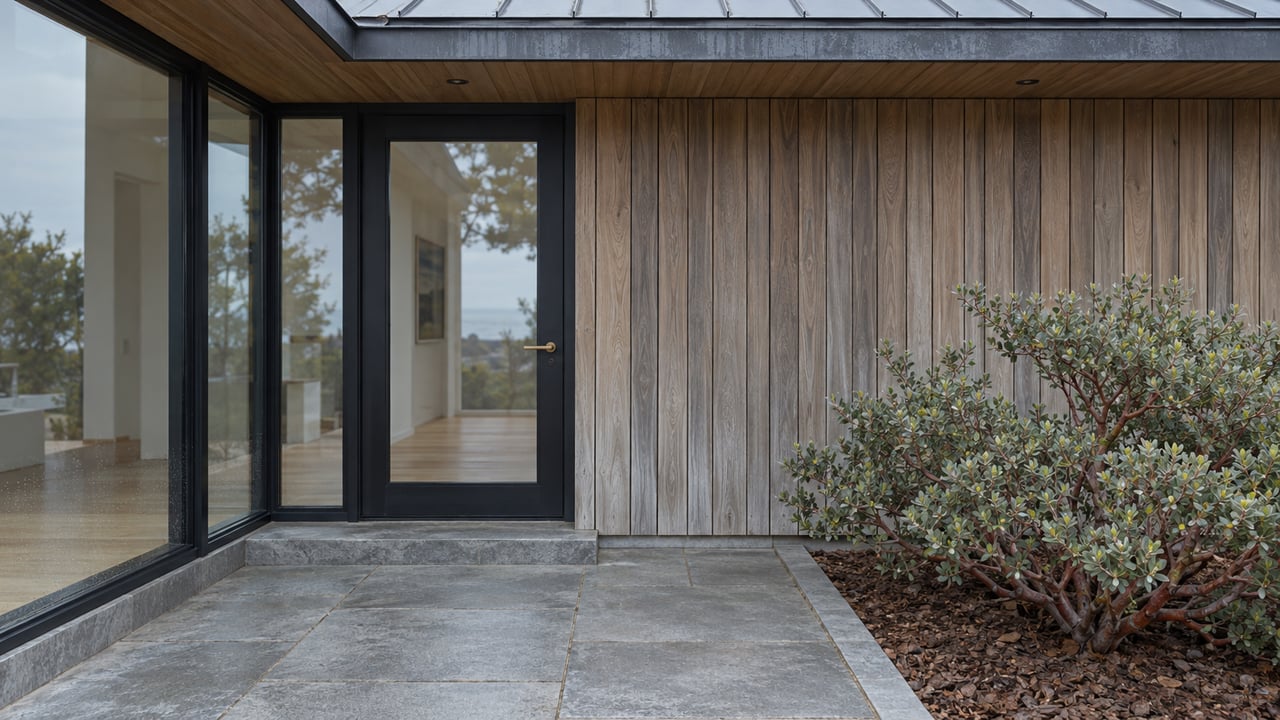
Prepare your Carmel Valley ranch or estate for sale with targeted updates focusing on exterior appeal, strategic staging, and strong visual marketing. Achieve better b… Read more

Neigborhoods
Explore the best Carmel-by-the-Sea neighborhoods for buyers with Alex Brant. Discover unique micro-areas, real estate insights, and buying tips to find your ideal Carm… Read more
Get assistance in determining current property value, crafting a competitive offer, writing and negotiating a contract, and much more. Contact Alex today to discuss all your real estate needs!