
July 16, 2026
If you own property in Big Sur, you already know this is not a typical real estate sale. Buyers are not just evaluating square footage or a view from the deck. They are weighing access, water, septic, wildfire readiness, privacy, and how the home or land fits into one of California’s most closely protected coastal landscapes. The good news is that the right preparation can help you attract the right buyer and avoid unnecessary friction once interest starts to build. Let’s dive in.
Big Sur is shaped by more than scenery. Monterey County’s planning framework for the Big Sur coast places strong emphasis on scenic resources, environmental protection, public recreation, and very limited development. That means buyers often look at a property through a different lens than they would in a more conventional market.
In practical terms, your property’s value story is often tied to its setting. How the structure sits on the land, how it relates to the viewshed, and how privacy is created through topography or vegetation can matter as much as the home itself. For many buyers, the appeal is the experience of place.
That is also why broad promises can create problems. Monterey County is actively updating the Big Sur Coast Land Use Plan, so sellers should verify current requirements before making claims about what a parcel can support now or in the future.
The right buyer for a Big Sur property is often someone who values seclusion, natural beauty, and long-term stewardship. This buyer is usually more comfortable with the realities of remote coastal ownership, including due diligence around permits, utilities, access, and land constraints.
That matters because not every interested buyer is a good fit. Someone expecting a simple, turnkey suburban purchase may hesitate once they understand the details involved in owning property here. A better-fit buyer tends to appreciate the setting and accept the responsibilities that come with it.
In Big Sur, lifestyle marketing works best when it is grounded in facts. Privacy, views, dramatic landscape, and a sense of retreat can be powerful selling points, but they should be presented alongside the practical realities of the property.
This is where premium visuals can make a real difference. High-resolution photography, aerial context, and 3D or Matterport-style presentation can help buyers understand how the home sits on the site, where sightlines open up, and how the property relates to the surrounding terrain.
Water is one of the first issues serious Big Sur buyers will ask about. Monterey County requires applicants for residential, commercial, and visitor-serving projects to demonstrate an adequate year-round water supply through seasonal testing, and new or intensified water use can be subject to permit review.
For sellers, that means preparation should start with documentation. If you have well records, water-system information, or past testing results, gather them before the property goes live. Clear records can help buyers move from curiosity to confidence.
Septic systems are another major part of Big Sur due diligence. Monterey County notes that most unincorporated parts of the county rely on individual onsite septic systems, and county guidance recommends a septic inspection before a home sale because the condition of the system cannot be known without proper evaluation.
If you are selling a home, it helps to know the system’s condition before a buyer asks. Available records, inspection reports, and diagrams of system components can make the process smoother and reduce uncertainty during escrow.
Big Sur sellers should also organize any prior permit and planning records they have. In this area, coastal and design review can affect even modest changes, and Monterey County states that design-control areas include all parcels in the Big Sur Coastal Land Use Plan.
A buyer may want to know what has already been approved, what was built with permits, and whether any past work triggered coastal or design review. Having those records ready helps support your pricing and gives buyers a better understanding of the property’s history.
Access is a major part of the Big Sur ownership experience. County records show that floods and fires have disrupted Highway 1 access in the past, including closures and controlled access during wildfire events.
Qualified buyers often ask direct questions about road conditions, emergency planning, and whether service providers can reliably reach the property. Sellers who can answer those questions clearly tend to build trust faster.
Wildfire preparedness is not a side issue in Big Sur. Monterey County identifies Big Sur coast communities as being at great risk for wildland fires, and CAL FIRE classifies fire hazard by factors such as slope, fuels, and weather. The state also emphasizes defensible space and home hardening as key mitigation steps.
If your property has recent vegetation management, defensible space work, or home-hardening improvements, present that information clearly. Buyers are not just looking for beauty here. They also want to understand resilience.
For many Big Sur properties, the land itself is central to the sale. Steep slopes, ridgelines, vegetation, and site orientation can all affect how a buyer sees the opportunity and the limits.
Monterey County notes that use permits may be required for development on slopes over 30% or for ridgeline development, and some tree removal or vegetation work can require permits. That makes maps, site plans, surveys, and records of prior approvals especially valuable during marketing.
Because Big Sur’s visual landscape is such a defining feature, marketing should help buyers see the property in context. Monterey County’s land use framework treats the visual experience of the coast as a dominant form of access and places a high priority on preserving visual resources.
That makes image quality and site presentation especially important. Clean photography, aerial imagery, and thoughtful floor plan or site diagram support can help a buyer understand both the emotional appeal and the physical layout of the property.
Some Big Sur sellers value privacy as much as price. In a market where coastal permit processes can involve public notice and hearings for certain applications, careful timing and controlled exposure may be worth considering.
A more selective launch strategy can help you reach serious, qualified buyers without overexposing a unique property too early. For some sellers, a private marketing approach is the best first step before going broader.
The most qualified Big Sur buyers usually move beyond surface-level questions quickly. They want to know whether the parcel is legally buildable, what permits already exist, whether the water source is reliable, what condition the septic system is in, and whether there are known access or easement issues.
They may also ask about defensible space, shoreline access obligations, or whether the property can be expanded, rebuilt, or reconfigured without major review. These are reasonable questions in Big Sur because county planning, coastal review, water supply, septic oversight, and wildfire concerns can all intersect.
A strong pre-list package can help answer many of these questions early. Useful materials may include title and parcel status information, a current survey or site plan, septic records, water-source records or testing, prior building or coastal permits, and known access or easement documents.
The biggest mistake Big Sur sellers can make is marketing the property like a standard coastal listing. A beautiful home photo set is helpful, but it is not enough on its own when buyers know they may be taking on regulatory review, infrastructure questions, and environmental constraints.
The better approach is to combine strong presentation with strong documentation. When buyers can see both the lifestyle appeal and the practical groundwork behind the sale, they are more likely to engage seriously and move forward with confidence.
Selling in Big Sur takes local knowledge, careful preparation, and the ability to position a property honestly and effectively. You need marketing that captures the land and lifestyle, but you also need a strategy that respects the realities of water, septic, access, wildfire readiness, and county review.
That is where experienced local representation can make a difference. If you are thinking about selling a Big Sur property and want a thoughtful plan tailored to the land, the buyer pool, and the details that matter most, connect with Alex Brant.
Stay up to date on the latest real estate trends.

Monthly Report
October housing trends, home prices, and inventory—and what they mean for Monterey County buyers and sellers.
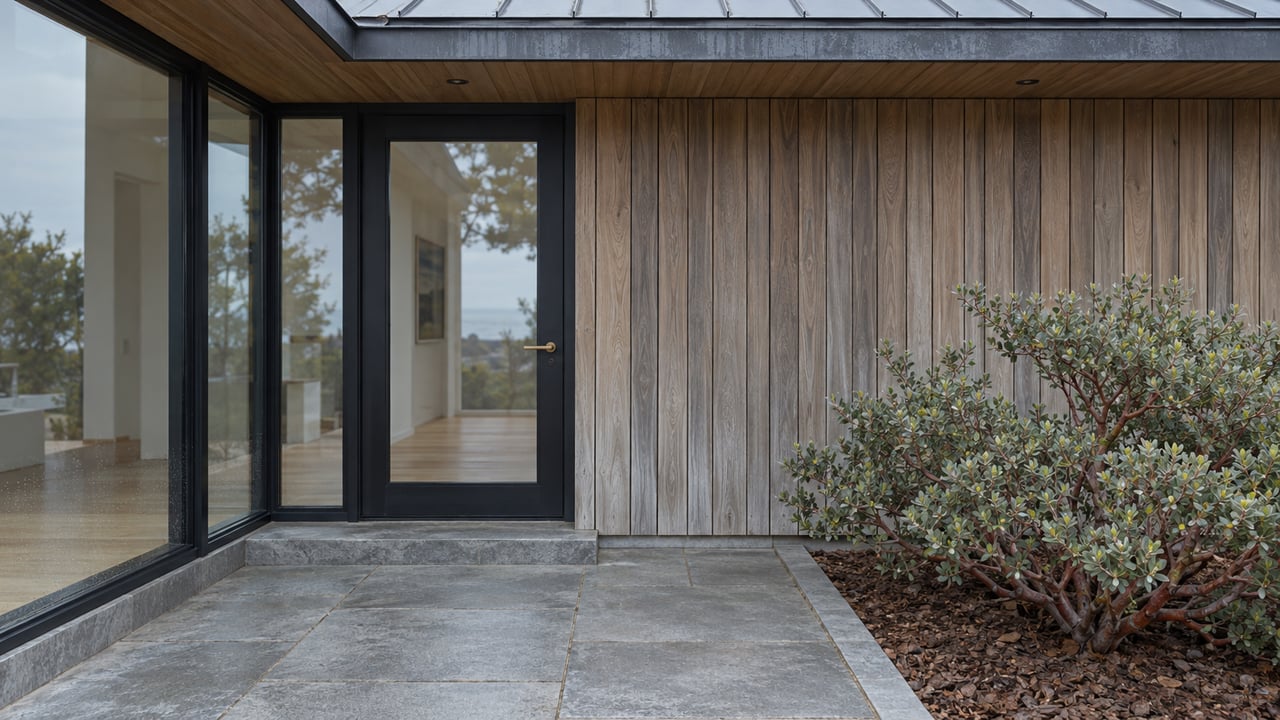

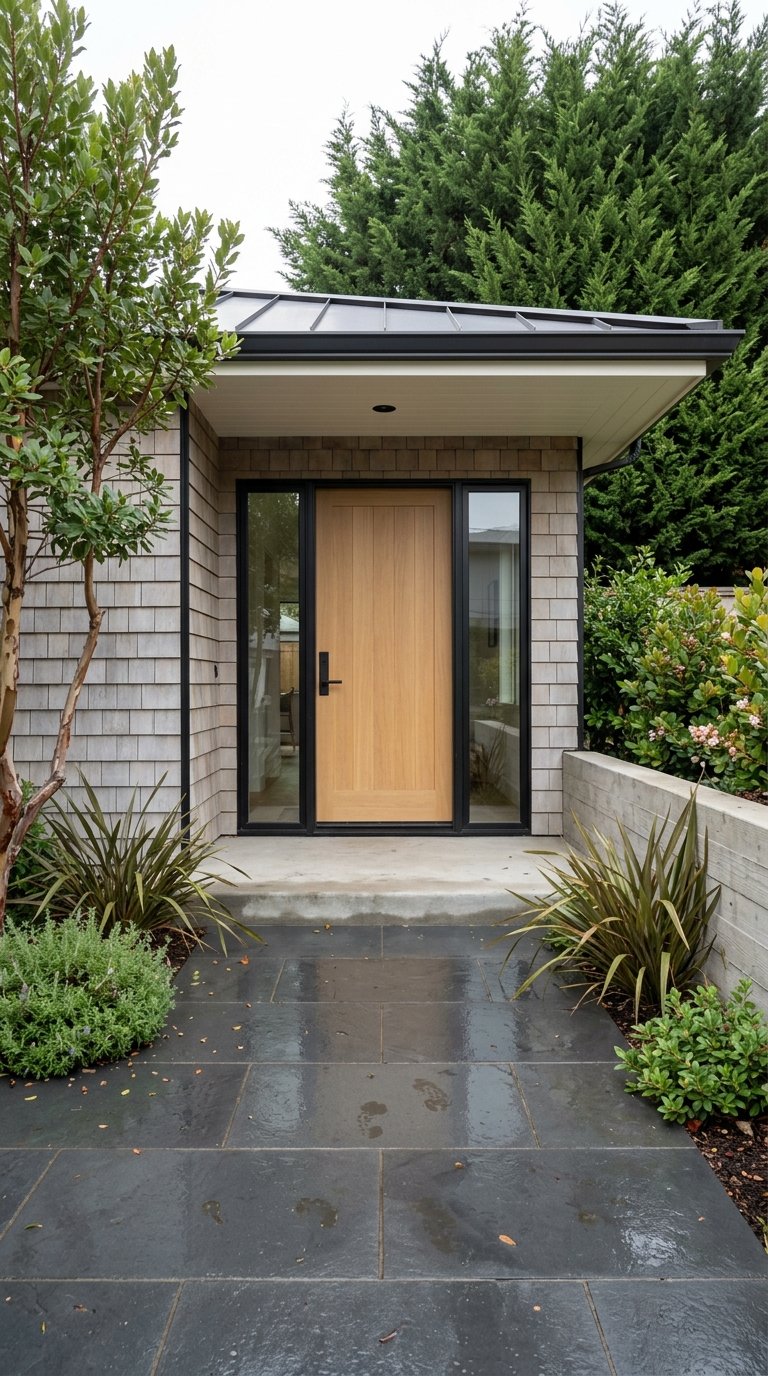
Discover the charm of Carmel-by-the-Sea homes: Oceanfront vs Village Living. Explore carmel homes for sale and learn the benefits of each unique lifestyle.
Prepare your Carmel Valley ranch or estate for sale with targeted updates focusing on exterior appeal, strategic staging, and strong visual marketing. Achieve better b… Read more

Neigborhoods
Explore the best Carmel-by-the-Sea neighborhoods for buyers with Alex Brant. Discover unique micro-areas, real estate insights, and buying tips to find your ideal Carm… Read more


Neigborhoods
Where to Stay, What to See, Where to Eat & What’s New in Big Sur
Get assistance in determining current property value, crafting a competitive offer, writing and negotiating a contract, and much more. Contact Alex today to discuss all your real estate needs!