
February 26, 2026
If your ideal evening is the sound of waves and a sky painted with Pacific color, Carmel Highlands may be calling you. You want privacy, design-forward homes, and quiet nights, not a bustling main street. In this guide, you will learn what day-to-day life feels like on these granite headlands, what you gain, what to plan for, and how to navigate permits, safety, and access before you buy. Let’s dive in.
Carmel Highlands is an unincorporated coastal neighborhood about 3.5 miles south of Carmel-by-the-Sea, set on steep granite headlands with panoramic ocean views. Homes often terrace into the slope to capture the horizon, and the shoreline is rocky with small coves rather than broad beaches. You are also a northern gateway to Big Sur along Highway 1, which shapes both the scenery and the pace of life. For a quick overview of location and character, start with the Carmel Highlands entry on Wikipedia.
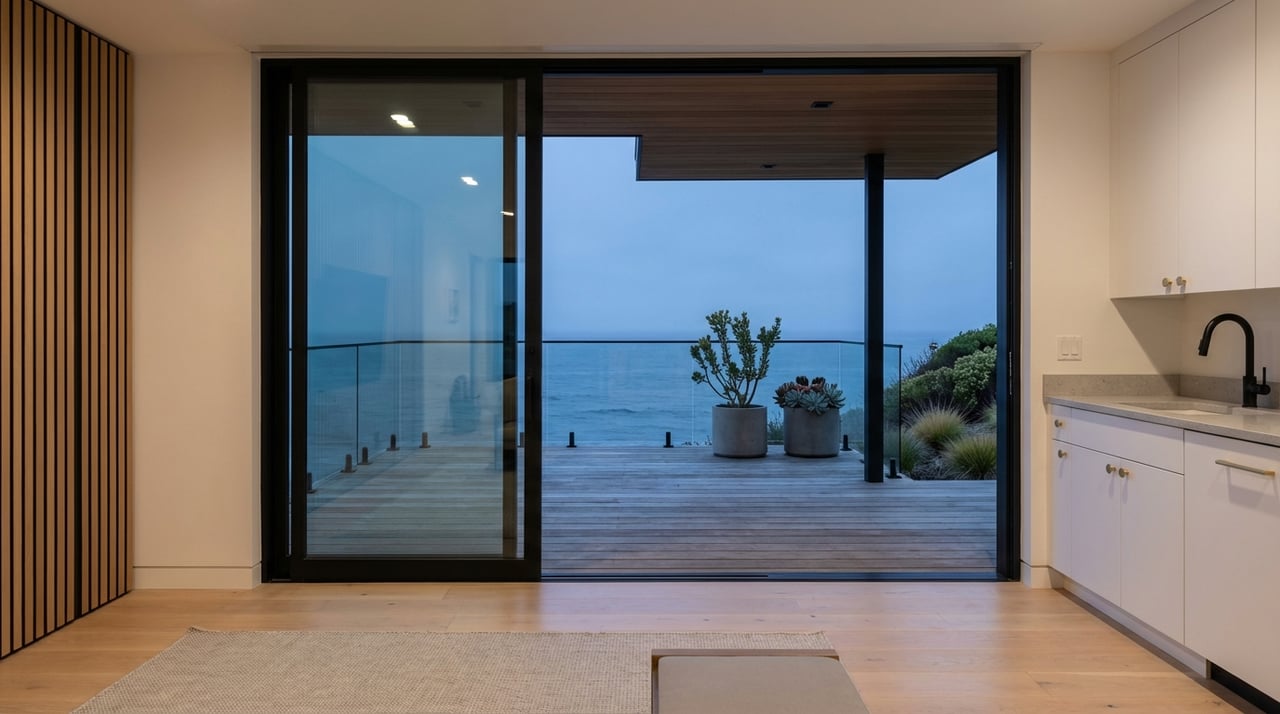
You come to the Highlands for the drama of the coast and the sense of retreat. Evenings are quiet, and nights are dark enough to see stars. Many homes lean into indoor-outdoor living with decks, wind screens, and glass that frame the ocean like a work of art.
You also live beside protected nature. Point Lobos State Natural Reserve sits just to the north, with iconic trails, wildlife viewing, and a marine reserve. Get familiar with current access and safety notes on the official Point Lobos page.
Carmel Highlands trades walkable streets and a dense village core for privacy, bigger lots, and water views. For everyday shopping, galleries, and dining, you will drive a few minutes to Carmel-by-the-Sea. For a concise contrast between the two, the neighborhood overview on carmel.com highlights the Highlands’ quieter, more rugged feel.
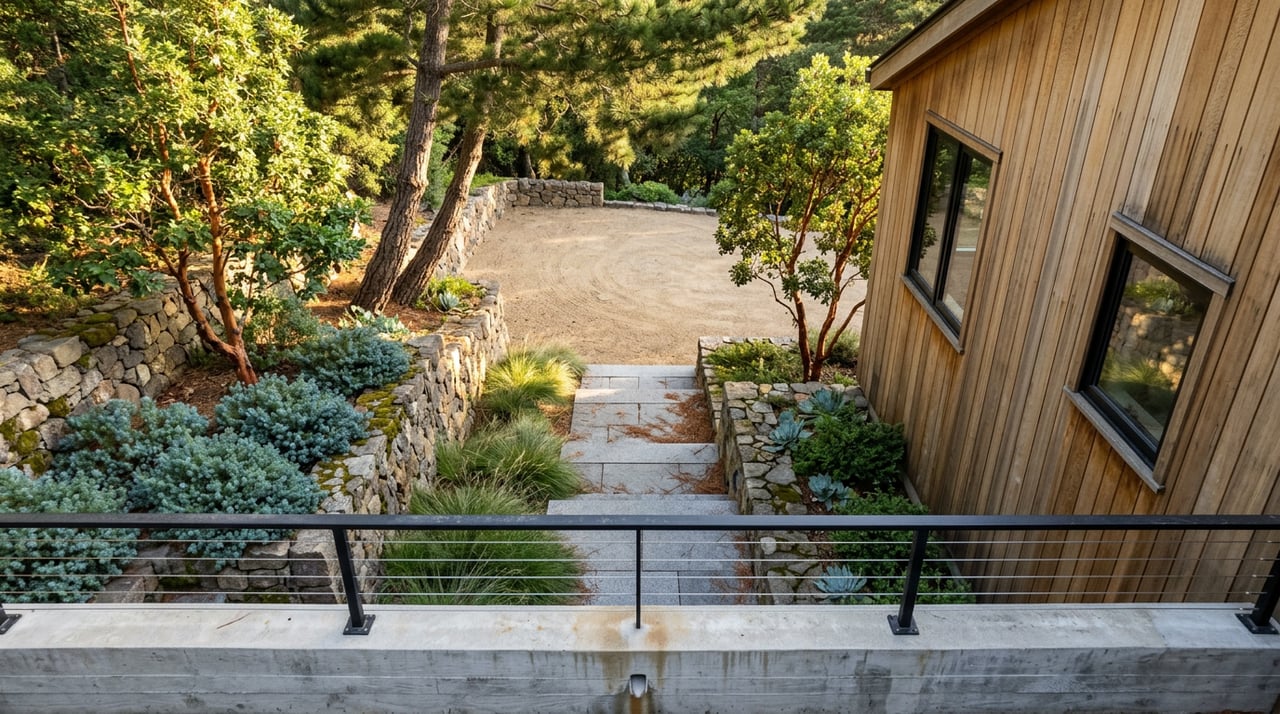
Steep terrain and narrow headlands define the neighborhood. Many lots are sloped or terraced, which affects driveway design, garage placement, and landscaping. Yard space is often modest, with native plantings that handle wind and salt.
That topography is also why the views feel so clean and uninterrupted. Fewer rooftops crowd your sightlines, and you feel close to the sea even when you are set back from the bluff. It is one of the Highlands’ defining luxuries.
The Central Coast marine layer is real here. Summer mornings can be cool and foggy, with sun breaking through by midday, while winter brings dramatic storms that are beautiful to watch from a sheltered window. The ocean moderates temperatures, but breezes can feel brisk.
Plan for layers, corrosion-resistant finishes, and routine exterior care. For a sense of coastal conditions and seasonal patterns, the Point Lobos page from California State Parks is a useful touchpoint.
To the north, Point Lobos offers world-class scenery and carefully managed access with limited parking. To the south, Garrapata State Park adds wildheadland trails and cliff-lined viewpoints. The coastline is stunning and rugged, and visitor infrastructure is intentionally light. Learn more about nearby terrain and access via the Garrapata State Park overview.
When you live here, weekends and holidays can bring extra traffic near state park pullouts and the Point Lobos entrance. Plan errands accordingly and keep a flexible window for guest arrivals.
The Highlands grew in the 1910s as an extension of the Carmel art colony idea, with the Highlands Inn as an early focal point for the community. The area has long attracted architect-minded owners, which you see in the custom homes tucked into the slopes. The Carmel Highlands history page from the local association adds context on early development and community roots; it is a good read for orientation. Explore that background on the Carmel Highlands Association site.
Architecturally significant homes appear in design press from time to time, underscoring the neighborhood’s cachet. One example is the historic D.L. James “Seaward” house, a story that drew national attention and speaks to the area’s prestige tier. If you are curious about that home’s profile, this Vanity Fair feature provides context.
Here is a quick lens for buyers weighing the Highlands:
What you gain
What you trade off
The Highlands is a great fit if you value nature, quiet, and design over daily walkability.
This coastline is powerful and beautiful. Some nearby beaches and coves have strong surf, rip currents, and steep drop-offs, which is why many residents use them for photography, tide watching, or, for experienced divers, very specific entries under the right conditions. For general safety guidance, refer to State Parks notices at Point Lobos and review terrain context for Garrapata State Park before planning any outings.
Carmel Highlands sits within Monterey County’s coastal zone. Renovations, additions, and new builds commonly require Coastal Development Permits along with slope and bluff reviews, and many projects need geotechnical studies. Start early with a coastal-permit specialist and learn the local process through Monterey County planning records, which illustrate past Highlands projects and conditions. You can see an example of county planning documentation in the Monterey County permit archive.
Sea-level rise policy also shapes siting and long-term planning for bluff-top properties. The California Coastal Commission provides guidance that informs local rules and adaptation strategies. If you are evaluating bluff proximity or long-term resilience, review the Coastal Commission’s sea-level rise guidance and consult county planners early in your due diligence.
Water, sewer, and utilities vary by parcel. Some properties connect to sewer laterals, while others rely on septic systems. Always confirm the current status with county records and the utility provider before removing contingencies or designing a remodel. The county’s planning records are a good starting point for understanding prior approvals and conditions; begin with the Monterey County archive example noted above.
The Highlands is part of a wildland-urban interface with steep terrain. Local fire response is provided by the Carmel Highlands Fire Protection District with CAL FIRE resources. As an owner, you will want to understand defensible space, roof and vent standards, and evacuation routes. The fire district’s Firewise information is a valuable primer on local expectations and readiness. Review the Carmel Highlands Fire Protection District guidance as you plan property improvements and seasonal maintenance.
Primary access is State Route 1. The neighborhood is car-dependent, and you will rely on Carmel-by-the-Sea, Monterey, and Pacific Grove for dining, services, and medical care. Monterey Regional Airport is the closest commercial airport; SFO and SJC are larger alternatives a longer drive away.
Highway 1 can see temporary closures from rockfall or storms in certain seasons, especially farther south toward Big Sur. If you host guests or manage service visits, build a bit of buffer into travel timing during winter weather events.
Inventory in the Highlands is small and specialized, with a mix of ocean-view cottages, custom bluff houses, and a handful of legacy estates. Listings often sit at higher price points compared to inland neighborhoods, reflecting bespoke architecture, siting, and limited supply. A meaningful share of homes functions as second residences, which can shape showing schedules and seasonal activity.
If you are selling, premium visual marketing and wide distribution matter because the buyer pool can be national or international. If you are buying, local insight into microclimates, parcel utilities, and permit history can save months and help you focus on the right opportunities.
You will thrive here if you want privacy, ocean views, and a nature-first lifestyle. You appreciate a slower pace, and you do not mind driving for errands or planning around marine weather. If your top priorities are daily walkability, abundant flat yard space, or a low-maintenance exterior, you may prefer looking in nearby villages or inland valleys instead.
Whether you are exploring a second home by the sea or preparing a design-forward estate for market, you deserve a plan tailored to the Highlands’ terrain, permits, and buyer pool. As a Carmel native and Compass advisor, I pair neighborhood knowledge with premium marketing, including Compass Concierge, Private Exclusives, and high-end visuals, to help you buy with confidence or sell for maximum exposure. When you are ready, connect with Alex Brant for a thoughtful, local strategy.
Stay up to date on the latest real estate trends.

Lifestyle & Recreation
A local’s guide to the best restaurants in Carmel, Monterey and Carmel Valley, from longtime favorites and new openings to Michelin-starred dining.

Monthly Report


Monthly Report
Monthly Report
Get assistance in determining current property value, crafting a competitive offer, writing and negotiating a contract, and much more. Contact Alex today to discuss all your real estate needs!